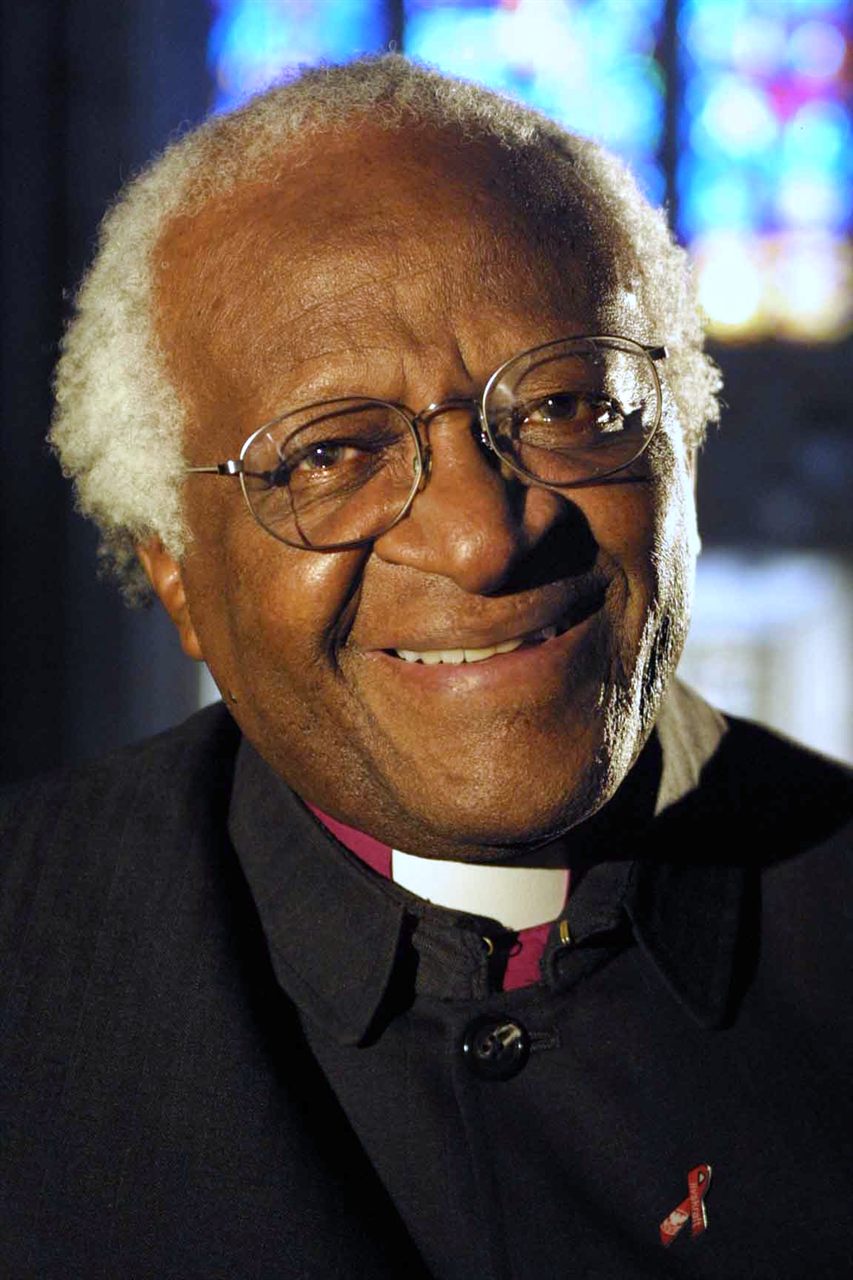
Desmond Tutu
Archbishop of the Rainbow Nation
Anglican archbishop and anti-apartheid leader who chaired South Africa’s Truth and Reconciliation Commission and preached ubuntu—humanity bound together.
Life at a glance
Key contributions
- Became the leading church voice against apartheid
- Received the Nobel Peace Prize for nonviolent moral resistance
- Chaired South Africa’s Truth and Reconciliation Commission
- Popularized ubuntu as ethical and political wisdom
- Modeled prophetic critique of power even after liberation
Notable works, inventions and offices
Truth and Reconciliation Commission leadership
TransformedLife and career
Desmond Tutu (1931–2021) was an Anglican archbishop who became the moral voice of the anti-apartheid church. Through humor, courage, and theology of ubuntu—humanity through other people—he denounced racial tyranny without surrendering to hatred.
He led the South African Council of Churches’ resistance, won the Nobel Peace Prize in 1984, and after apartheid chaired the Truth and Reconciliation Commission, inventing a public ritual for truth-telling short of pure retribution.
Tutu continued to critique corruption and injustice after liberation, refusing to treat any government as beyond prophetic challenge. His laugh and his anger both served dignity.
He taught the world that reconciliation without truth is amnesia, and truth without a path to coexistence is endless war.
Legacy and impact
A vocabulary of ubuntu and holy joy under pressure.
- Polarized societies need truth processes that still aim at shared future.
Principles and words
View of humanity
We belong to one another. Dehumanizing any group dehumanizes the whole.
How we should operate
Create public spaces for truth-telling. Refuse both amnesia and endless retaliation.
- Ubuntu — a person is a person through other persons
- Truth before cheap peace
- Forgiveness as strength, not denial
- Faith that sides with the oppressed
“My humanity is bound up in yours, for we can only be human together.”
Sources
Every statement on this page traces to Wikipedia, Wikidata, Wikiquote, or the curated Humanity’s Atlas record. Nothing is invented. Same standard for everyone: contributions first, neutral language.