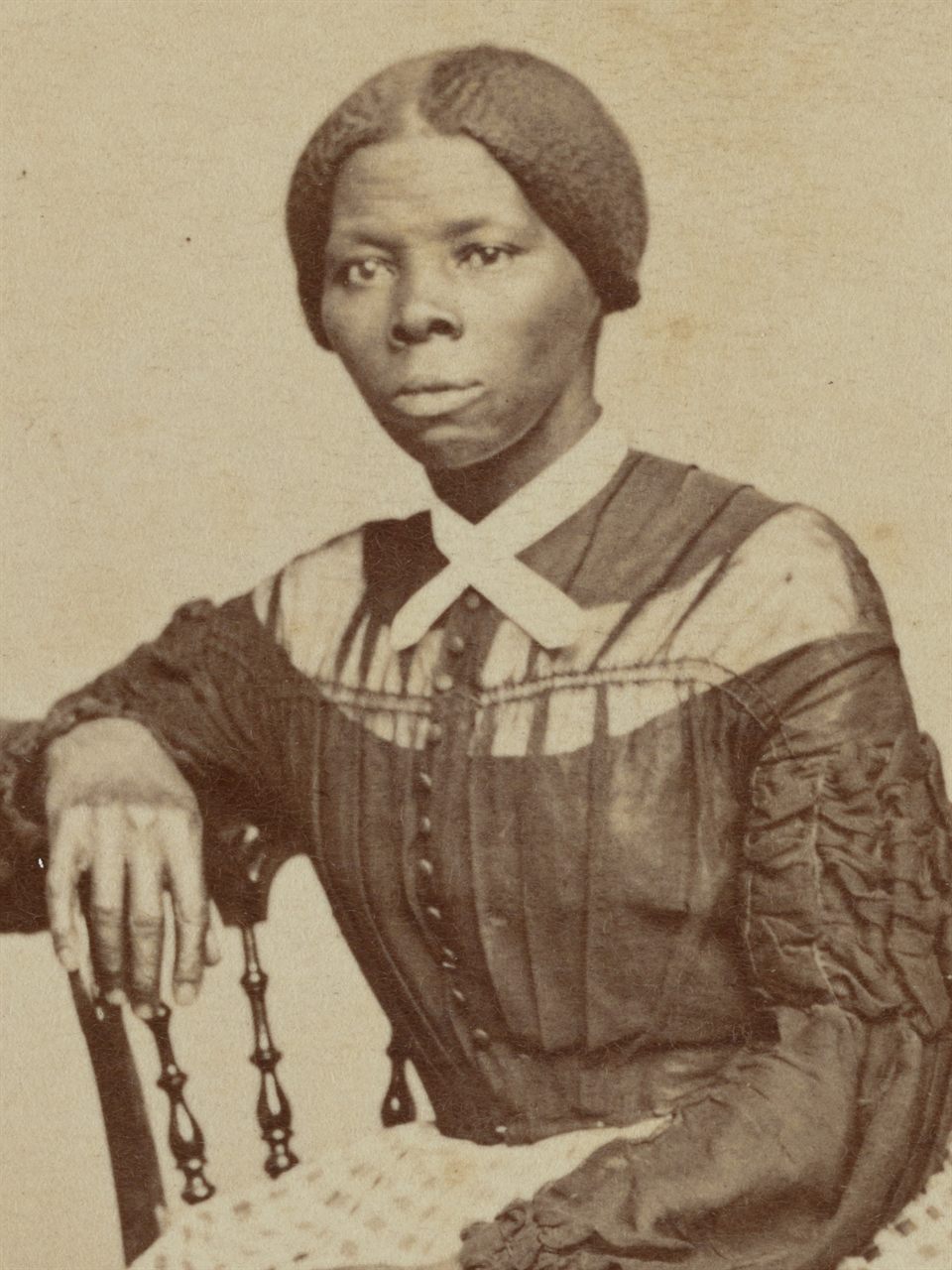
Harriet Tubman
Moses of Her People
Escaped slave who returned south repeatedly as a conductor on the Underground Railroad, then served as scout, spy, and nurse for the Union.
Life at a glance
Key contributions
- Escaped slavery and returned repeatedly to free others via the Underground Railroad
- Never lost a passenger on her rescue missions (by historical account)
- Served as Union scout, spy, and nurse during the Civil War
- Helped lead the Combahee River raid freeing hundreds of enslaved people
- Became an enduring symbol of courage as repeated practical action
Notable works, inventions and offices
Underground Railroad missions
TransformedLife and career
Harriet Tubman (c. 1822–1913) was born into slavery in Maryland, suffered a lifelong head injury from an overseer’s blow, and escaped to freedom in 1849. Freedom for herself was not enough: she returned south repeatedly as a conductor on the Underground Railroad.
Guiding family and strangers along dangerous routes, she earned the name Moses. Accounts credit her with never losing a passenger. During the Civil War she served the Union as scout, spy, and nurse, including the Combahee River raid that freed hundreds.
Her faith, tactical intelligence, and willingness to re-enter mortal risk made freedom a supply chain of courage rather than a one-time private escape.
Tubman’s life remains the practical definition of solidarity: liberty that keeps going back for others.
Legacy and impact
Freedom as a supply chain of courage.
- Modern trafficking and refugee corridors still need Tubman-style practical solidarity.
Principles and words
View of humanity
Those who find the way out must go back for others.
How we should operate
Build networks that move people from danger to safety.
- Freedom is a duty to others, not only a private escape
- Courage as repeated practical action
- Faith under mortal risk
- Solidarity across the color line of oppression
“I freed a thousand slaves. I could have freed a thousand more if only they knew they were slaves.”
Sources
Every statement on this page traces to Wikipedia, Wikidata, Wikiquote, or the curated Humanity’s Atlas record. Nothing is invented. Same standard for everyone: contributions first, neutral language.