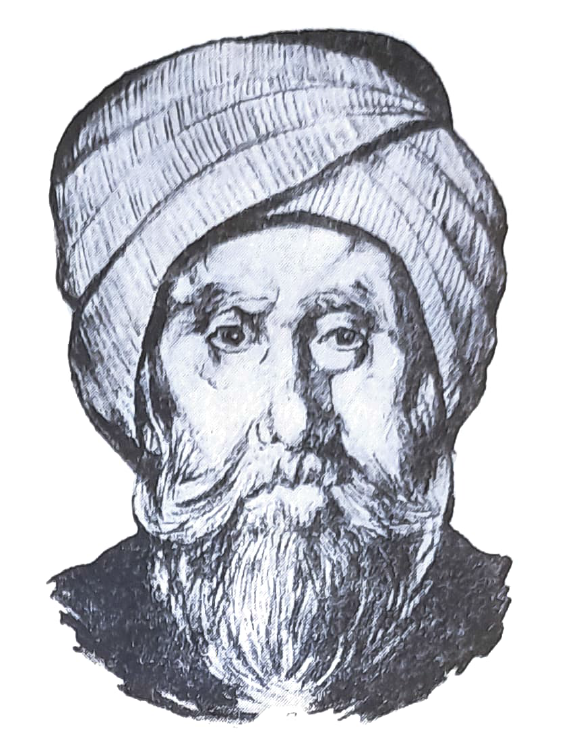
Al-Ghazālī
Reviver of the religious sciences
The jurist who doubted, left the prestigious madrasa, and came back to marry law, philosophy, and Sufi sincerity—so that knowledge would again serve God rather than vanity.
Life at a glance
Key contributions
- Wrote the Revival of the Religious Sciences
- Modeled an intellectual crisis resolved in integrity
- Integrated law, theology, and Sufi practice
- Set a lasting Sunni settlement with philosophy
- Taught that knowledge is judged by the life it produces
Notable works, inventions and offices
Ihya Ulum al-Din
Still standsRevival of the religious sciences. Today: A summit of Sunni spirituality and ethics.
Life and career
Al-Ghazālī reached the top of Nizamiyya teaching, then suffered a crisis of certainty and walked away. Deliverance from Error tells the autobiography of a mind that would not fake faith.
The Revival of the Religious Sciences put law back in conversation with the heart. The Incoherence of the Philosophers argued with the falasifa without burning the love of truth. He is a hinge of Sunni Islam.
He taught that a clever tongue is not the same as a live soul.
Legacy and impact
The scholar who chose sincerity over the chair.
- Expert cultures still confuse credentials with a living conscience.
Principles and words
View of humanity
The intellect is a light, not a throne.
How we should operate
Leave the post that is killing your truth. Then write for the ordinary believer.
- Doubt honestly, then walk
- Law without the heart is a husk
- Sincerity over display
- Philosophy must sit under revelation without becoming a toy
“Knowledge without action is vanity.”
Sources
Every statement on this page traces to Wikipedia, Wikidata, Wikiquote, or the curated Humanity’s Atlas record. Nothing is invented. Same standard for everyone: contributions first, neutral language.