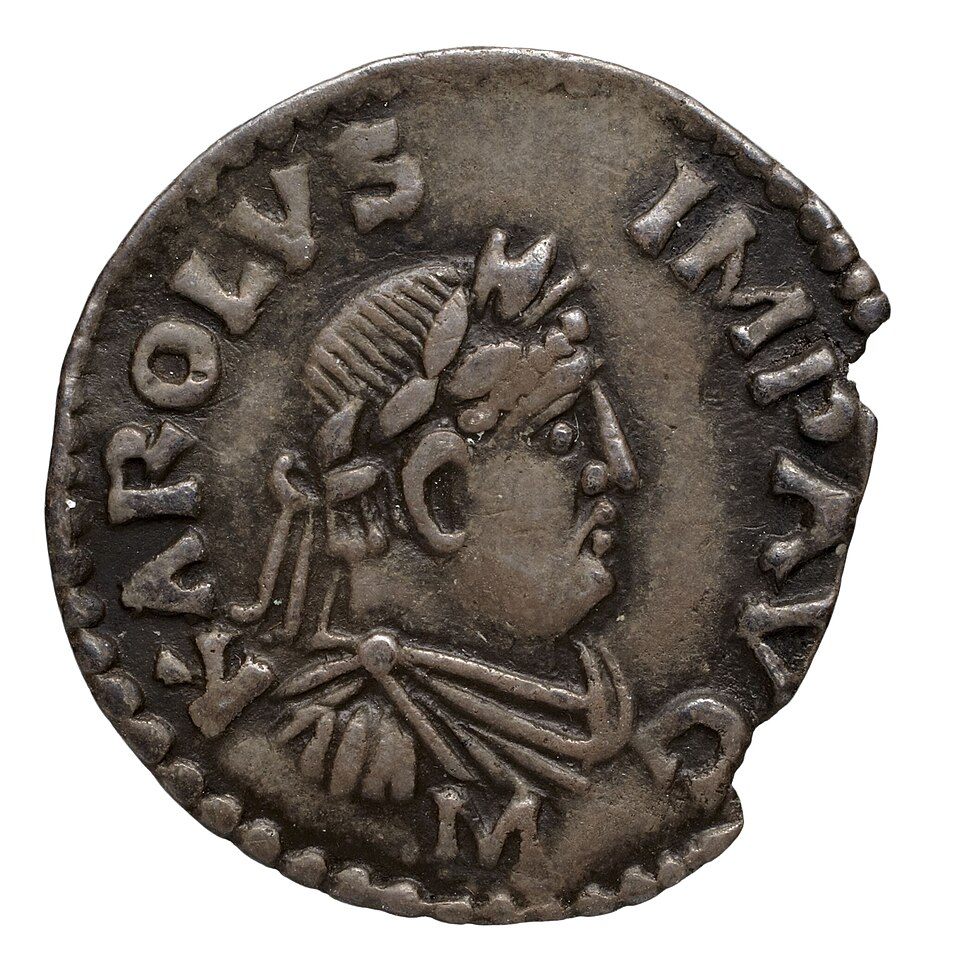
Charlemagne
Patron of the Palatine school
King and emperor who, besides conquest, gathered scholars, standardized writing, and restarted learning in a fractured West—growth as literacy after collapse.
Life at a glance
Key contributions
- Sponsored the Carolingian revival of learning
- Standardized a clearer Latin script for Europe
- Gathered international scholars to Aachen
- Tied imperial rule to clerical literacy
- Reopened a path from collapse to curriculum
Notable works, inventions and offices
Carolingian educational reforms & minuscule
Still standsPalace school and clearer Latin script. Today: Ancestor of modern book-hand and European schooling.
Life and career
Charles the Great united much of western Europe and was crowned emperor in 800. The sword is famous; the school is the human service: Alcuin at Aachen, palace education, church schools, and the clear Carolingian minuscule that made books copyable again.
He ordered that clergy be able to read, that liturgy and law be consistent enough to travel. It was not a university yet. It was a refusal to let the lights stay out.
Later national myths inflated him. The recoverable fact is enough: after ruin, someone paid for teachers.
Legacy and impact
Renaissance as policy: copy the books.
- Failed states still need Charlemagne’s unglamorous item: teachers.
Principles and words
View of humanity
A realm that cannot write cannot remember how to be just.
How we should operate
Fund schools after you fund walls.
- Learning is infrastructure
- Script must be shareable
- Rule needs clerks who can read
- Gather talent to the court
“Let schools be established in which boys may learn to read.”
Sources
Every statement on this page traces to Wikipedia, Wikidata, Wikiquote, or the curated Humanity’s Atlas record. Nothing is invented. Same standard for everyone: contributions first, neutral language.