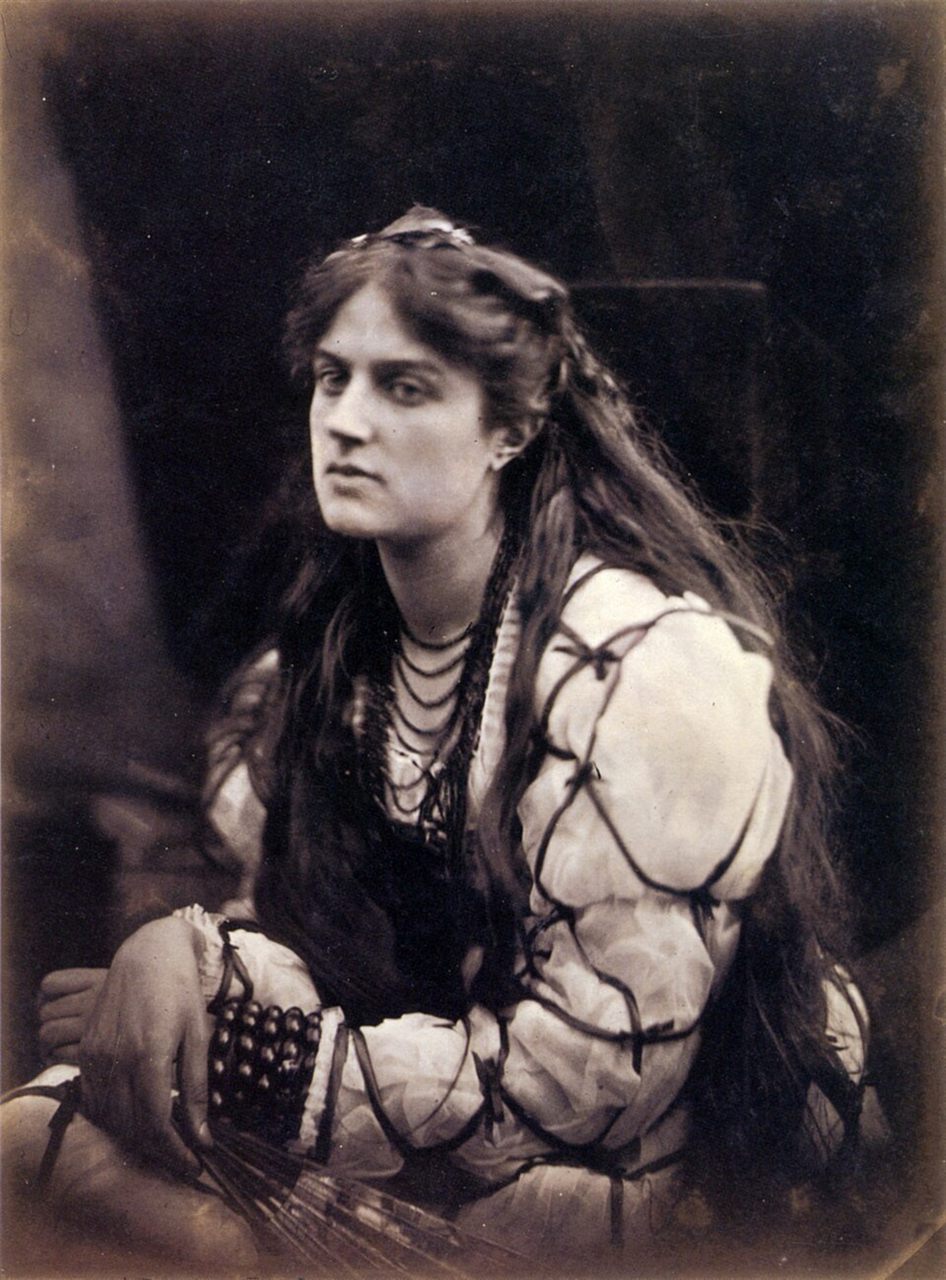
Hypatia of Alexandria
Philosopher of the Museum
Neoplatonist philosopher, mathematician, and astronomer who led the philosophical school in Alexandria and became a martyr-symbol of learning under political-religious violence.
Life at a glance
Key contributions
- Led Alexandria’s philosophical school as a woman in late antiquity
- Taught mathematics, astronomy, and Neoplatonist philosophy across factional lines
- Sustained the Alexandrian scientific-philosophical tradition under stress
- Became a lasting martyr-symbol of learning against political-religious violence
- Modeled intellectual courage in a polarized civic space
Notable works, inventions and offices
Alexandrian teaching and commentaries
Partially remainsLife and career
Hypatia of Alexandria (c. 355–415) was a Neoplatonist philosopher, mathematician, and astronomer who led the city’s philosophical school in late antiquity. She taught an elite of both pagans and Christians, becoming a public intellectual in a city torn by faction.
Her work continued Alexandrian traditions of geometry, astronomy, and commentary. Students came for technical mastery and for a philosophical life that treated mathematical clarity as spiritual discipline.
Political-religious conflict escalated around Bishop Cyril and the imperial prefect Orestes. In 415 a Christian mob murdered Hypatia—an act that shocked contemporaries and later ages as a symbol of anti-intellectual violence.
She stands for the price and necessity of independent thought: schools and scholars need civic protection, or mobs and factions will decide what may be known.
Legacy and impact
The price and necessity of independent thought.
- Academic freedom and anti-intellectual violence remain live dangers.
Principles and words
View of humanity
Humans flourish when inquiry is protected. Knowledge is not the property of one sect.
How we should operate
Defend schools and scholars from mob and faction.
- Reason as a public good
- Mathematical clarity as spiritual discipline
- Teaching across factional lines
- Courage of the intellectual in civic space
“Reserve your right to think, for even to think wrongly is better than not to think at all.”
Sources
Every statement on this page traces to Wikipedia, Wikidata, Wikiquote, or the curated Humanity’s Atlas record. Nothing is invented. Same standard for everyone: contributions first, neutral language.