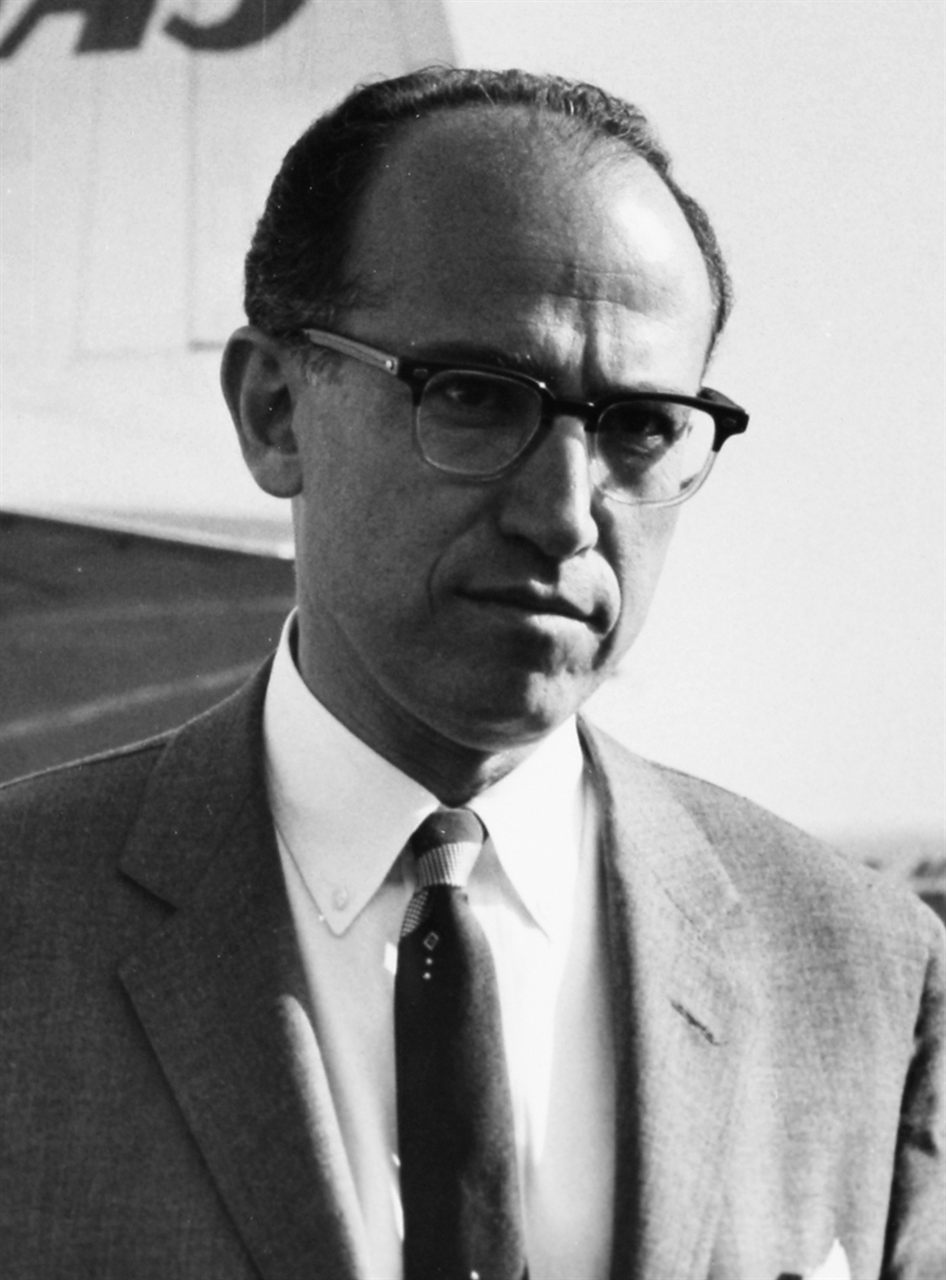
Jonas Salk
Conqueror of Polio Fear
Virologist who developed the first successful killed-virus polio vaccine and refused to patent it—turning a terror of childhood into a preventable disease.
Life at a glance
Key contributions
- Developed the first widely used effective polio vaccine
- Led historic clinical trials that proved vaccine safety and efficacy
- Refused to patent the vaccine for private profit
- Helped drive polio toward elimination in much of the world
- Founded a major institute for fundamental biological research
Notable works, inventions and offices
Inactivated polio vaccine (IPV)
Still standsFirst widely successful polio vaccine. Today: Global immunization schedules.
Life and career
Jonas Salk (1914–1995) developed the first effective inactivated polio vaccine, announced in 1955 after the largest clinical trial of its kind. Polio had terrified parents with paralysis and iron lungs; vaccination campaigns drove cases toward eradication in much of the world.
Salk famously did not patent the vaccine, saying the equivalent of ‘Could you patent the sun?’ He later founded the Salk Institute for biological research.
Scientific credit is always collective—teams, funders, rival approaches like Sabin’s oral vaccine matter—but Salk’s name rightly marks a turning point in public health.
His accomplishment is children walking who would have been paralyzed.
Legacy and impact
Proof that medical science can retire a nightmare.
- Vaccine equity fights are Salk’s ethics under new names.
Principles and words
View of humanity
A society is measured by whether it lets children walk free of preventable paralysis.
How we should operate
Fund vaccine science. Share life-saving methods widely.
- Public health over private monopoly
- Rigorous trials before rollout
- Science as gift to children
- Fear defeated by method
“There is no patent. Could you patent the sun?”
Sources
Every statement on this page traces to Wikipedia, Wikidata, Wikiquote, or the curated Humanity’s Atlas record. Nothing is invented. Same standard for everyone: contributions first, neutral language.