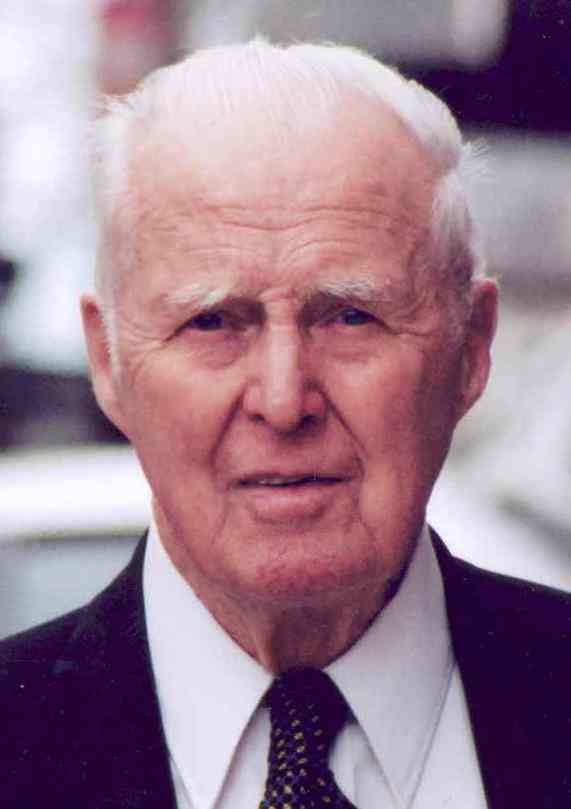
Norman Borlaug
Father of the Green Revolution
Plant breeder whose dwarf, rust-resistant wheats averted famine for hundreds of millions—the largest life-saving technology since vaccines.
Life at a glance
Key contributions
- Bred the wheats of the Green Revolution
- Averted famine at historic scale in South Asia
- Won the Nobel Peace Prize for food as peace
- Trained generations of plant scientists in the Global South
- Showed that yield is a humanitarian technology
Notable works, inventions and offices
Semi-dwarf wheat varieties & Green Revolution methods
Still standsHigh-yield disease-resistant wheat systems. Today: Still feeding a large share of humanity.
Life and career
Borlaug trained in forestry and plant pathology, then bred wheat in Mexico that could take fertilizer without falling over. In the 1960s those seeds went to South Asia as famine loomed. Yields jumped; the predicted millions of deaths receded.
He fought bureaucracy, rust, and despair with field plots. Critics later asked about monoculture and chemicals; he answered that empty plates were the first cruelty. The Nobel Peace Prize in 1970 named food as peace.
If greatness is lives not lost, his ledger is almost unmatched.
Legacy and impact
Agronomy as peacemaking.
- A hotter, more crowded century still needs Borlaugs for the next grain.
Principles and words
View of humanity
A child not starved is the primary human right from which others grow.
How we should operate
Breed. Train local scientists. Ignore the salon until the granary is full.
- Hunger is a solvable engineering problem
- Take the plot to the farmer
- Peace needs calories
- Fight the rust, then the paperwork
“Food is the moral right of all who are born into this world.”
Sources
Every statement on this page traces to Wikipedia, Wikidata, Wikiquote, or the curated Humanity’s Atlas record. Nothing is invented. Same standard for everyone: contributions first, neutral language.