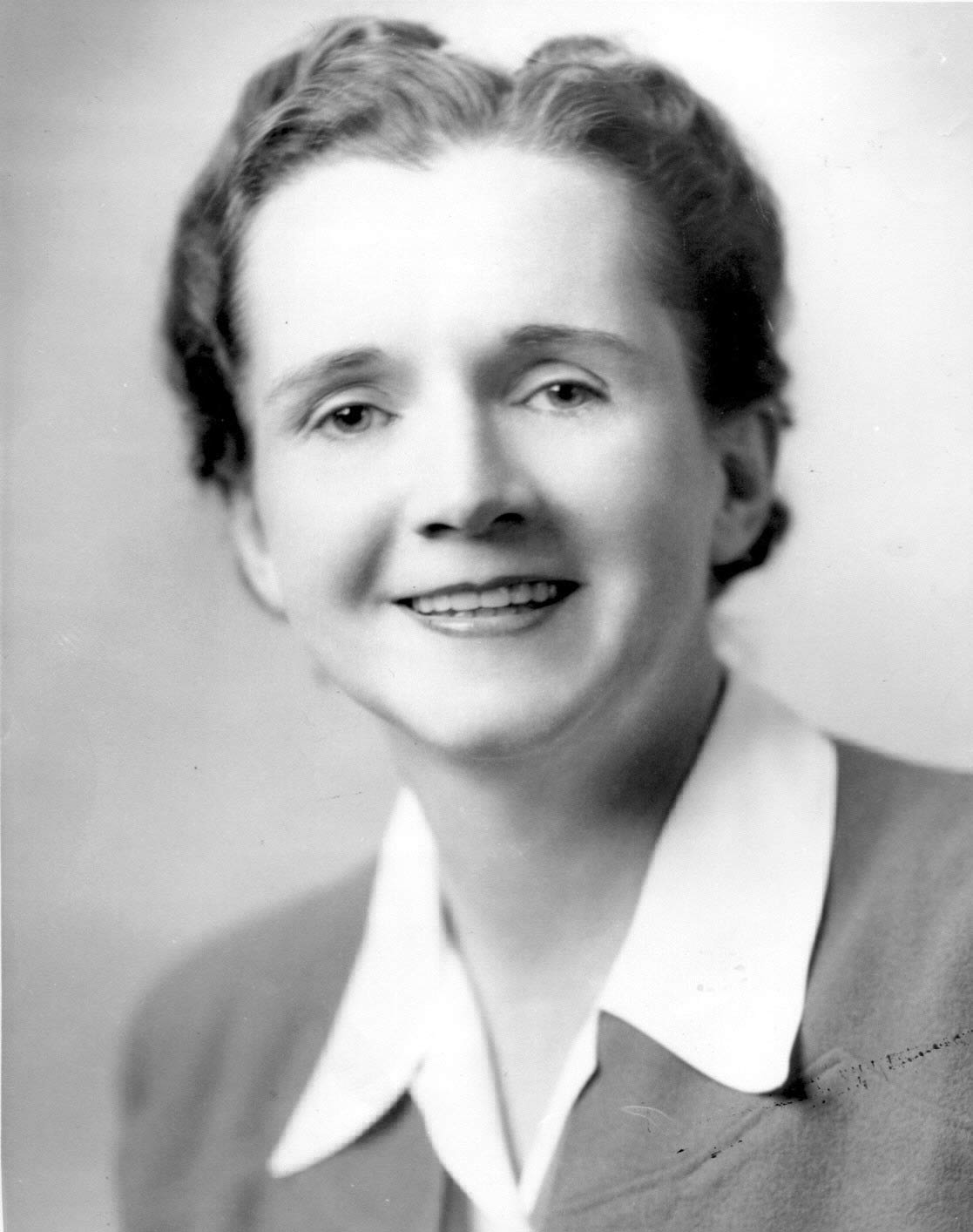
Rachel Carson
Awakener of Environmental Conscience
Marine biologist and writer whose Silent Spring exposed pesticide harms and launched modern environmentalism—making ecology a public moral language.
Life at a glance
Key contributions
- Authored Silent Spring, founding text of modern environmentalism
- Exposed the ecological and human costs of indiscriminate pesticides
- Catalyzed policy change including DDT restrictions and environmental law
- Helped inspire the creation of environmental protection institutions
- Made ecological interdependence a public moral concern
Notable works, inventions and offices
Silent Spring
Still standsBook that catalyzed environmental law and culture. Today: EPA lineage; global green movements.
Life and career
Rachel Carson (1907–1964) was a marine biologist and writer whose Silent Spring (1962) documented how indiscriminate pesticides—especially DDT—poison ecosystems and enter human bodies. Clear prose made ecological science a public alarm.
Industry attacked her; cancer claimed her life soon after. Yet her book helped launch the modern environmental movement, contributed to the U.S. EPA’s creation, and led to policy bans and restrictions on dangerous chemicals.
Carson taught that humans are not outside nature’s web. Precaution and humility became civic duties.
Her accomplishment is a planet that began to listen when the birds went quiet.
Legacy and impact
The environment as a rights-and-duties domain.
- Climate and chemical policy still need Carson’s courage against denial.
Principles and words
View of humanity
Humans are not separate from webs of life; poisoning the web poisons us.
How we should operate
Regulate toxins with humility. Teach ecology as civic literacy.
- Interdependence of living systems
- Precaution under uncertainty
- Science written for citizens
- Nature not a dumping ground
“In nature nothing exists alone.”
Sources
Every statement on this page traces to Wikipedia, Wikidata, Wikiquote, or the curated Humanity’s Atlas record. Nothing is invented. Same standard for everyone: contributions first, neutral language.