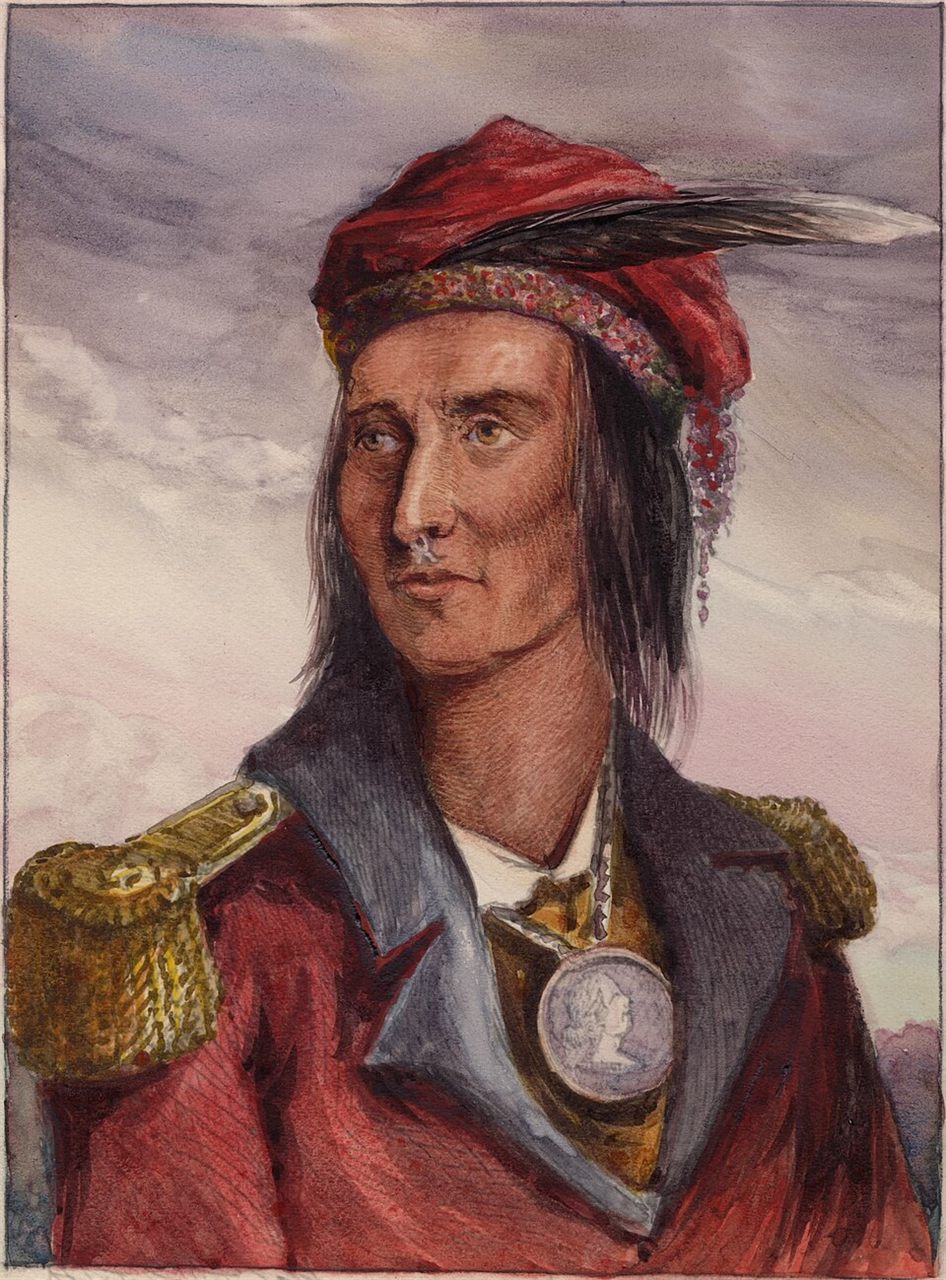
Tecumseh
Shawnee statesman of a Native confederacy
The leader who tried to unite Native nations against land theft—oratory, alliance, and war for a homeland that was already theirs.
Life at a glance
Key contributions
- Built a large Native confederacy in the Old Northwest
- Articulated communal land as unsellable by fragments
- Allied tactically to defend homelands in 1812
- Left oratory that still defines Indigenous resistance
- Became a continental symbol of Native statesmanship
Notable works, inventions and offices
Tecumseh’s confederacy
TransformedIntertribal alliance against dispossession. Today: Enduring symbol of Native unity.
Life and career
Tecumseh, with his brother Tenskwatawa, built a confederacy from the Great Lakes toward the South. He argued that land was held in common by all Native peoples and could not be sold by a village under pressure.
He fought with the British in 1812 as the least-bad instrument to hold the line. He died at the Thames. The confederacy fractured; the speech of unity did not.
He is among the greatest Indigenous statesmen of the continent.
Legacy and impact
The case against selling the sky.
- Pipeline and treaty fights still quote his logic.
Principles and words
View of humanity
A continent of nations can still choose each other.
How we should operate
Ride farther than the last treaty. Speak to every council fire.
- Land is not a trinket one village can sell
- Confederacy or erasure
- Eloquence as a weapon of nations
- Die on the line you named
“Sell a country! Why not sell the air, the great sea, as well as the earth?”
Sources
Every statement on this page traces to Wikipedia, Wikidata, Wikiquote, or the curated Humanity’s Atlas record. Nothing is invented. Same standard for everyone: contributions first, neutral language.