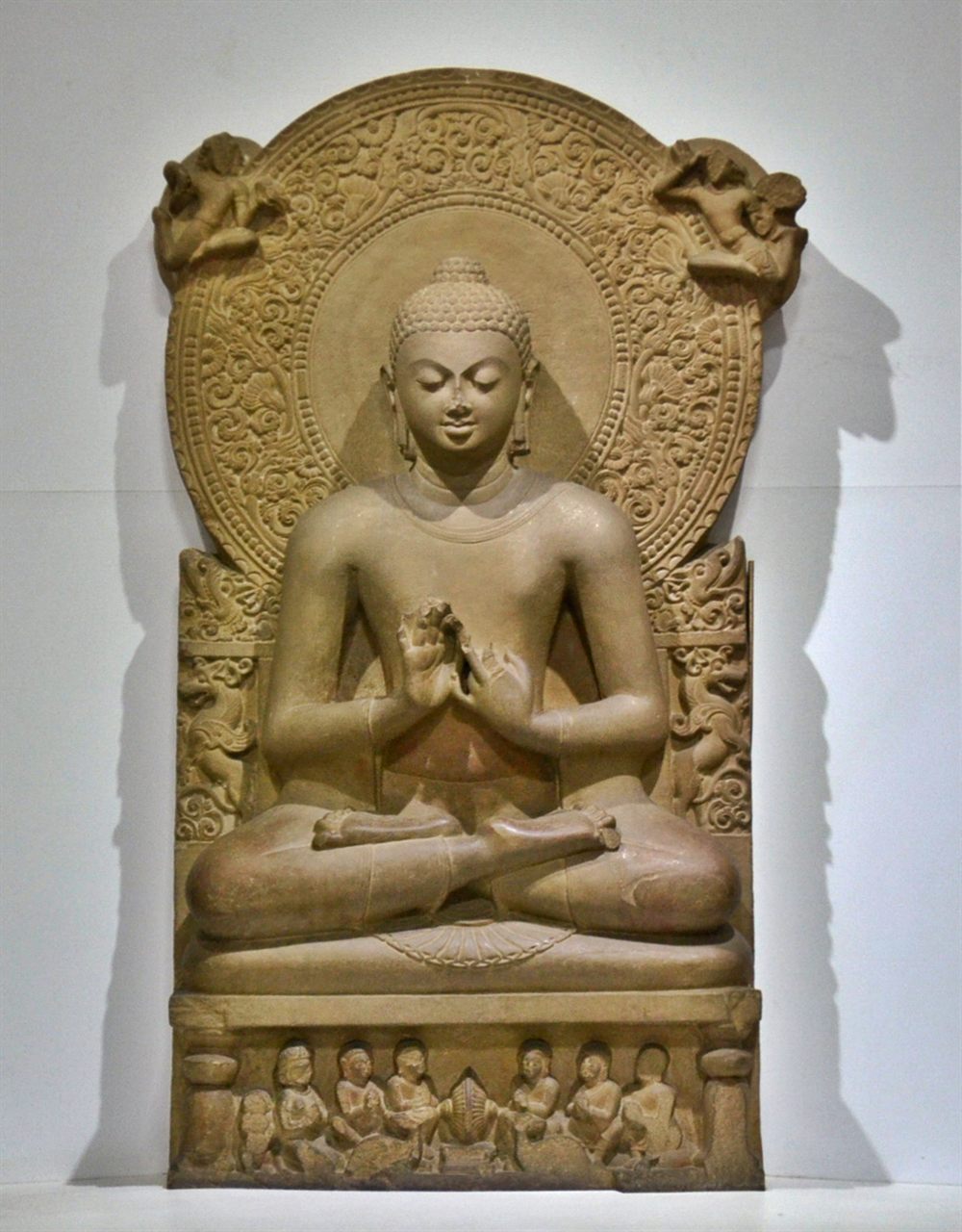
Siddhartha Gautama (the Buddha)
Awakened One
Spiritual teacher who articulated the Four Noble Truths and the Noble Eightfold Path—a practical psychology of suffering, craving, and liberation.
Life at a glance
Key contributions
- Articulated the Four Noble Truths and Noble Eightfold Path
- Founded the Buddhist sangha as a durable community of practice
- Taught the Middle Way between indulgence and self-mortification
- Made awakening a human possibility beyond caste and birth privilege
- Established a global tradition of mindfulness, compassion, and non-harm
Notable works, inventions and offices
Buddhist sangha and teachings
Still standsLife and career
Siddhartha Gautama, later called the Buddha (‘Awakened One’), was born into a ruling family of the Ganges plain. Traditional accounts describe a sheltered youth, then a confrontation with aging, sickness, and death that drove him from palace life into renunciation and extreme asceticism.
Rejecting both indulgence and self-mortification, he attained awakening under the Bodhi tree at Bodh Gaya and articulated the Four Noble Truths and the Noble Eightfold Path: a practical psychology of craving, aversion, and liberation. He taught for decades, gathering a sangha of monks, nuns, and lay followers.
His method was empirical and ethical rather than purely speculative: observe the mind, reduce harm, cultivate compassion and mindfulness. The Middle Way made spiritual seriousness available without demanding hereditary priesthood or caste privilege as the price of insight.
Buddhism spread across Asia and later the world, diversifying into many schools. Its core diagnosis—that grasping fuels suffering—remains one of humanity’s most portable tools for mental health, ethics, and attention in an age of engineered craving.
Legacy and impact
The human problem as a solvable pattern of suffering.
- Mental health and attention economies map onto craving and aversion.
Principles and words
View of humanity
Humans suffer because they grasp at what changes. Every person has the capacity to awaken.
How we should operate
Observe the mind without lying to yourself. Reduce harm.
- Four Noble Truths
- Noble Eightfold Path
- Middle Way
- Compassion and loving-kindness
“Hatred is never appeased by hatred in this world. By non-hatred alone is hatred appeased.”
Sources
Every statement on this page traces to Wikipedia, Wikidata, Wikiquote, or the curated Humanity’s Atlas record. Nothing is invented. Same standard for everyone: contributions first, neutral language.