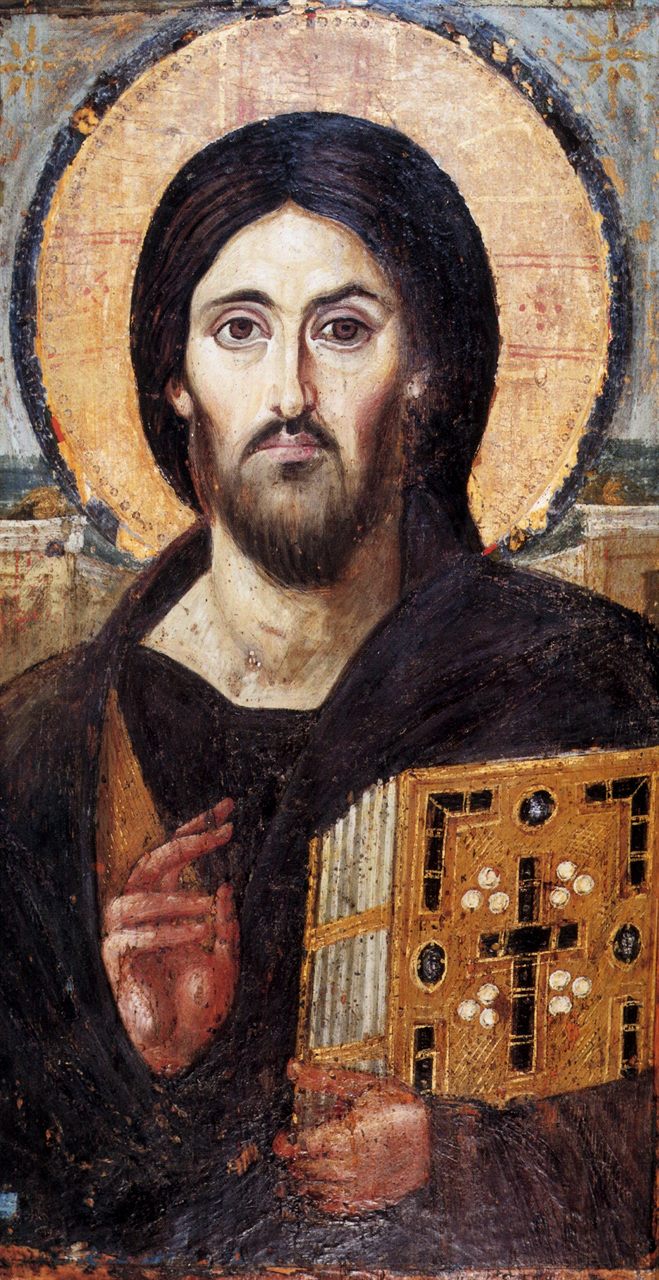
Jesus of Nazareth
Teacher of the Kingdom
Jewish teacher and healer whose proclamation of God’s reign, radical ethics of love and forgiveness, and death by crucifixion became the origin of Christianity.
Life at a glance
Key contributions
- Proclaimed an ethic of love, forgiveness, and enemy-love that reshaped morality
- Centered the dignity of the poor, sick, and socially excluded
- Inspired the Christian movement that became a world religion
- Taught through parables that made complex moral truths memorable
- Became the measure of sacrificial leadership in countless later reform movements
Notable works, inventions and offices
Christian scriptures and communities
Still standsLife and career
Jesus of Nazareth was a first-century Jewish teacher and healer in Roman-occupied Judea and Galilee. The Gospels portray a ministry of parables, healings, table fellowship with the marginalized, and confrontation with religious and political hypocrisy.
He proclaimed the nearness of God’s kingdom and taught a radical ethics: love of neighbor and enemy, forgiveness, the last shall be first, and a standard of purity that reached intention as well as act. His challenge to status hierarchies made him dangerous to both local elites and imperial order.
Tried under Roman authority, he was crucified—a death reserved for rebels and the despised. Followers soon proclaimed his resurrection and formed communities that became the Christian church, carrying his story across the Mediterranean and eventually the globe.
Historically and spiritually, Jesus relocated dignity to the lowly and made enemy-love a civic technology as well as a personal command. Polarized ages still collide with that demand.
Legacy and impact
The dignity of the lowly at the center of moral vision.
- Enemy-love is civic technology for polarized societies.
Principles and words
View of humanity
Every person bears infinite worth. Status does not rank souls.
How we should operate
Organize life around care rather than domination. Measure success by service.
- Love of God and neighbor
- Love of enemies
- The last shall be first
- Forgiveness and reconciliation
“Love your enemies and pray for those who persecute you.”
Sources
Every statement on this page traces to Wikipedia, Wikidata, Wikiquote, or the curated Humanity’s Atlas record. Nothing is invented. Same standard for everyone: contributions first, neutral language.