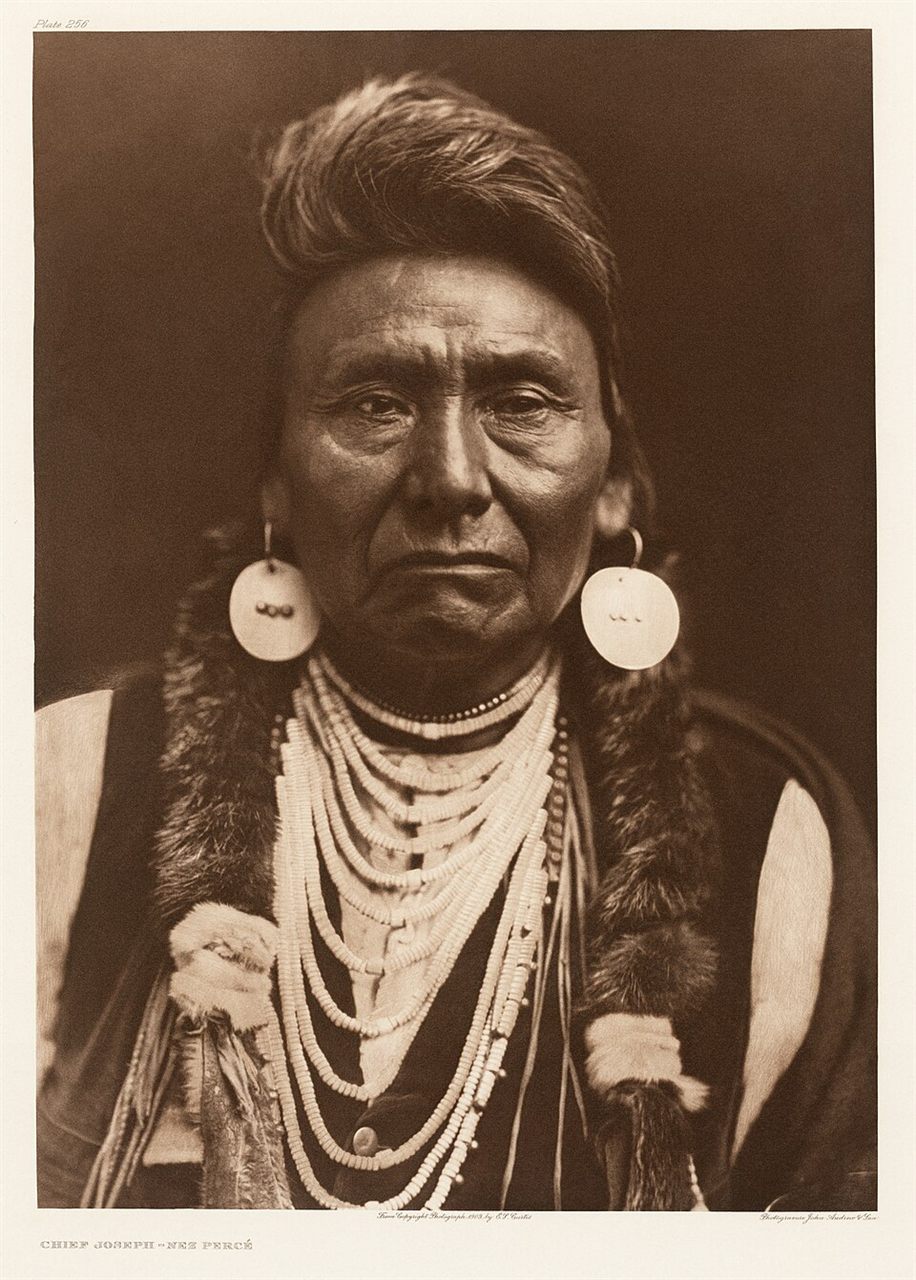
Chief Joseph (Hinmatóowyalahtq̓it)
Nez Perce orator of the fighting retreat
The leader who tried to take his people to asylum in Canada, fought a fighting retreat of 1,170 miles, and then said he would fight no more forever.
Life at a glance
Key contributions
- Led the Nez Perce fighting retreat of 1877
- Protected families across a thousand miles of war
- Delivered the surrender speech that indicted U.S. honor
- Advocated for return to Wallowa until death
- Became a global symbol of dignified Native resistance
Notable works, inventions and offices
1877 fighting retreat & surrender address
Still standsMilitary epic and a speech of exhausted honor. Today: Among the most quoted Native texts in American history.
Life and career
Joseph inherited a promise that the Wallowa was home. When the U.S. broke it, bands fled. The 1877 retreat fought off the army again and again until freeze and hunger stopped them forty miles from the Medicine Line.
His surrender speech became American scripture of the broken word. He spent the rest of his life asking to go home and dying in exile in Washington state.
Eloquence did not return the valley. It did convict the record.
Legacy and impact
The map of a people who almost made it to the line.
- Refugees still die forty miles from a border Joseph would recognize.
Principles and words
View of humanity
Honor is keeping the line you drew on the map when you were strong.
How we should operate
Retreat toward life. Then tell the truth in the victor’s language.
- A broken promise is a war
- Protect the noncombatants on the trail
- Speak so the enemy must write it down
- I will fight no more forever is also a verdict
“I will fight no more forever.”
Sources
Every statement on this page traces to Wikipedia, Wikidata, Wikiquote, or the curated Humanity’s Atlas record. Nothing is invented. Same standard for everyone: contributions first, neutral language.