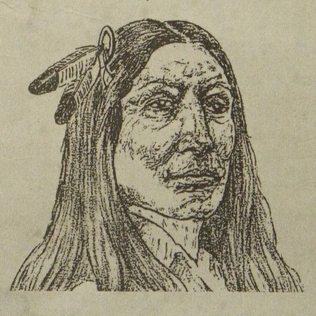
Crazy Horse (Tȟašúŋke Witkó)
Oglala captain of Little Bighorn
The war leader who would not be photographed, would not be bought, and rode at Little Bighorn—then was killed in custody rather than caged.
Life at a glance
Key contributions
- Led Oglala fighting power in the Sioux Wars
- Helped defeat Custer at Little Bighorn
- Refused to be reduced to a reservation showpiece
- Left a name without a treaty signature
- Embodied uncompromising defense of a people’s country
Notable works, inventions and offices
Leadership at Little Bighorn / unphotographed life
TransformedMilitary defense of Lakota hunting grounds. Today: Enduring symbol of uncompromising Native resistance.
Life and career
Crazy Horse fought as a shirt-wearer and visionary warrior to keep the Powder River country. He helped destroy Fetterman’s command and, in 1876, led charges that broke the 7th Cavalry.
He surrendered in 1877 under pressure of starvation, was bayoneted at Fort Robinson, and left almost no artifact but a name. The monument in the Hills is contested; the life was spare and absolute.
He is the type of the captain who belongs to the land, not to the archive.
Legacy and impact
The warrior who would not pose for the conqueror’s camera.
- Consent and land still collide with his sentence about selling the earth.
Principles and words
View of humanity
Freedom can be a way of riding, not a signature on a treaty.
How we should operate
Keep your face your own. Defend the camp.
- Do not sell the earth
- Fight in the shirt you were given
- Refuse the cage
- Let the name be the monument
“One does not sell the earth upon which the people walk.”
Sources
Every statement on this page traces to Wikipedia, Wikidata, Wikiquote, or the curated Humanity’s Atlas record. Nothing is invented. Same standard for everyone: contributions first, neutral language.