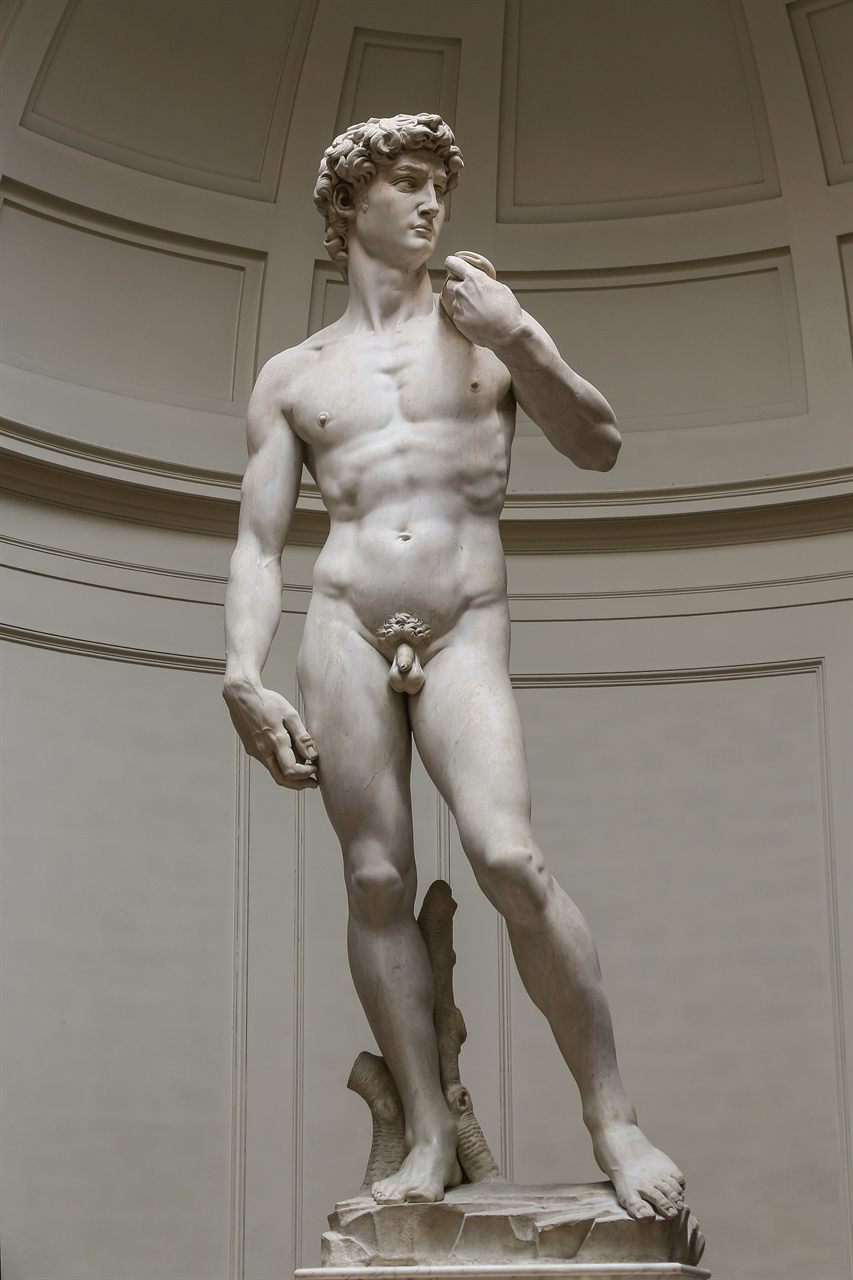
King David
Shepherd King of Israel
Shepherd, warrior, poet, and king who united the tribes of Israel, established Jerusalem as capital, and left a spiritual legacy of repentance and sacred song.
Life at a glance
Key contributions
- United the tribes of Israel into a lasting monarchical center
- Established Jerusalem as political and spiritual capital
- Created a template of sacred kingship accountable to covenant and prophet
- Left a poetic legacy of psalms that shaped Jewish and Christian worship
- Modeled public repentance after moral failure at the height of power
Notable works, inventions and offices
United monarchy & Jerusalem as capital
TransformedLife and career
In biblical tradition, David begins as a shepherd of Bethlehem, enters Saul’s court as musician and warrior, and becomes famous for defeating Goliath. Civil war, exile, and alliance politics follow before he is recognized as king—first of Judah, then of a united Israelite monarchy.
As ruler he captures Jerusalem, makes it his capital, and centralizes religious and political life around the city. Military campaigns expand influence; the court gathers administrators, prophets, and scribes. Tradition also credits him with organizing sacred song and with authorship or patronage of psalms that shaped Jewish and later Christian prayer.
David’s story is deliberately un-sanitized. The Bathsheba affair, Uriah’s death, family revolt under Absalom, and the prophet Nathan’s confrontation make him an archetype of power under moral judgment. Greatness, in this telling, is not sinlessness but the capacity to repent and reorient.
For later ages he became the model of covenant kingship: courage, poetry, political unity, and accountability before a standard higher than victory. The messianic hope of a ‘son of David’ shows how deeply his figure entered the moral imagination of Judaism and Christianity.
Legacy and impact
The archetype of the flawed but repentant leader whose heart remains oriented toward God and justice.
- Public figures still face the choice between cover-up and genuine accountability.
Principles and words
View of humanity
Humans are capable of both heroic faithfulness and devastating self-deception. Greatness is not the absence of sin but the willingness to repent.
How we should operate
Hold leaders to a standard beyond victory. Make space for confession and repair.
- Covenant loyalty over raw power
- Repentance as the path back after failure
- Sacred kingship accountable to God
- Courage joined to humility
“The Lord is my shepherd; I shall not want.”
Sources
Every statement on this page traces to Wikipedia, Wikidata, Wikiquote, or the curated Humanity’s Atlas record. Nothing is invented. Same standard for everyone: contributions first, neutral language.