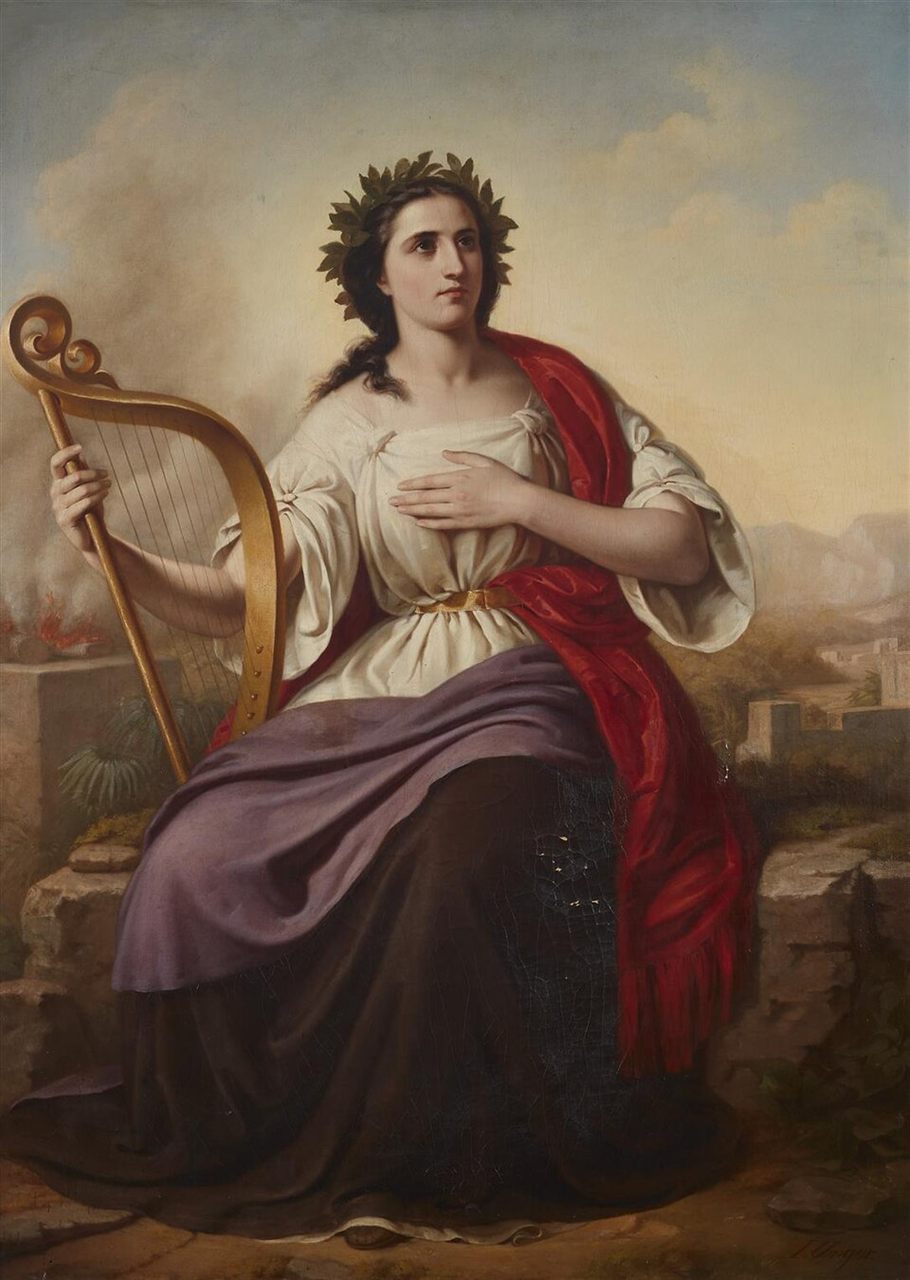
Deborah
Judge and general of Israel
Prophet-judge who summoned Barak to war, routed Sisera’s chariots, and sang the victory—proof that sacred leadership and command could rest on a woman.
Life at a glance
Key contributions
- Judged Israel in a time of oppression
- Directed a war of liberation against Sisera
- Left one of the oldest Hebrew poems
- Modeled combined prophetic and military authority
- Became the Bible’s clearest female commander
Notable works, inventions and offices
Song of Deborah
Still standsAncient victory hymn and political theology. Today: Among the oldest texts in the Hebrew Bible.
Life and career
Deborah sat as judge under a palm. When Israel was oppressed by Canaanite iron, she called Barak and went with him to Tabor. The Song of Deborah is among the oldest Hebrew poems: stars fighting from their courses, a mother in Israel arising.
Jael finishes the enemy commander. The story does not apologize for female agency in war or in court.
She is the biblical type of the woman who both discerns and commands.
Legacy and impact
Sacred command without apology for the commander’s sex.
- Arguments about women in leadership still have to walk past her palm tree.
Principles and words
View of humanity
God’s people are not saved only by men with spears.
How we should operate
Discern. Summon. Stand on the ridge you named.
- Judgment under the tree
- Go with the army you call
- Praise the helpers
- Mother in Israel as a public office
“Awake, awake, Deborah; awake, awake, break out in song.”
Sources
Every statement on this page traces to Wikipedia, Wikidata, Wikiquote, or the curated Humanity’s Atlas record. Nothing is invented. Same standard for everyone: contributions first, neutral language.