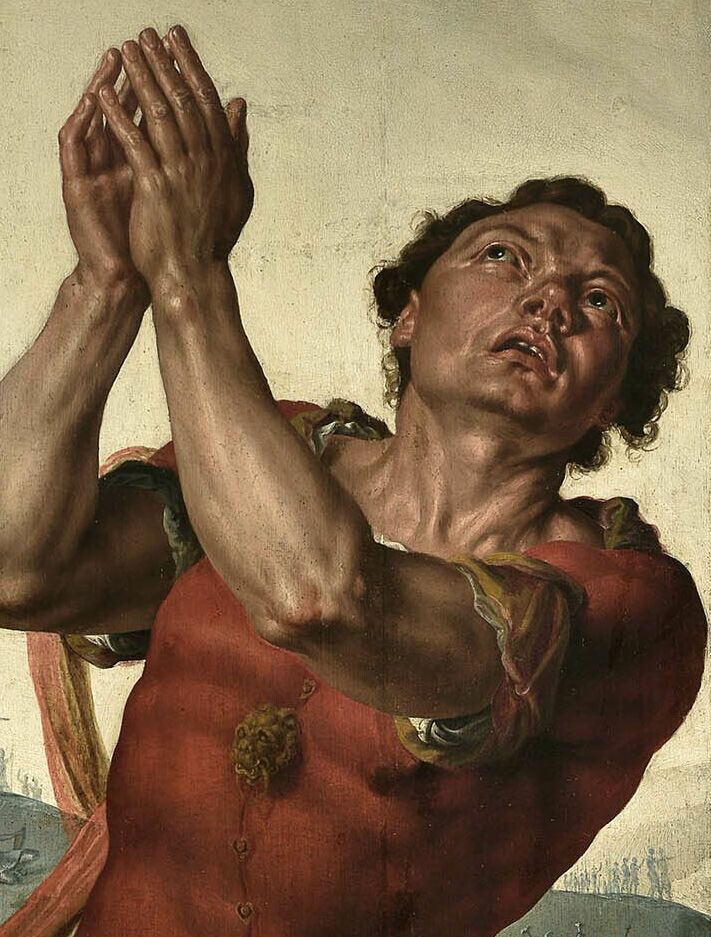
Gideon
The few against the host
Judge who reduced his army to three hundred so Israel would know the victory was the Lord’s—holy war as humility, not numbers.
Life at a glance
Key contributions
- Led Israel against Midianite oppression
- Accepted a reduced force so pride would not steal the credit
- Tore down local idolatry before battle
- Refused kingship in the name of the Lord’s rule
- Left a lasting type of victory by the few
Notable works, inventions and offices
Gideon cycle in Judges
Still standsNarrative of reduced force and divine victory. Today: Type of faith against odds.
Life and career
Gideon threshes wheat in a winepress, afraid of Midian. An angel calls him mighty. He tears down his father’s altar, then gathers too many men; God sends most home so the story cannot be told as mere force.
Torches, jars, trumpets: panic in the camp. Later he refuses kingship—‘the Lord will rule over you’—then stumbles into an ephod that becomes a snare. The Bible keeps the complexity.
He is remembered for the three hundred and for the lesson that salvation is not a census.
Legacy and impact
The army small enough to tell the truth.
- Great-power politics still boasts the hand that saves itself.
Principles and words
View of humanity
A people is safest when it does not worship its own troop count.
How we should operate
Start in hiding if you must. Then obey the reduction.
- Too many soldiers can hide the true help
- Tear down the house idol first
- Refuse the crown you were not asked to wear
- Fear is not the last word
“The people with you are too many… lest Israel boast, ‘My own hand has saved me.’”
Sources
Every statement on this page traces to Wikipedia, Wikidata, Wikiquote, or the curated Humanity’s Atlas record. Nothing is invented. Same standard for everyone: contributions first, neutral language.