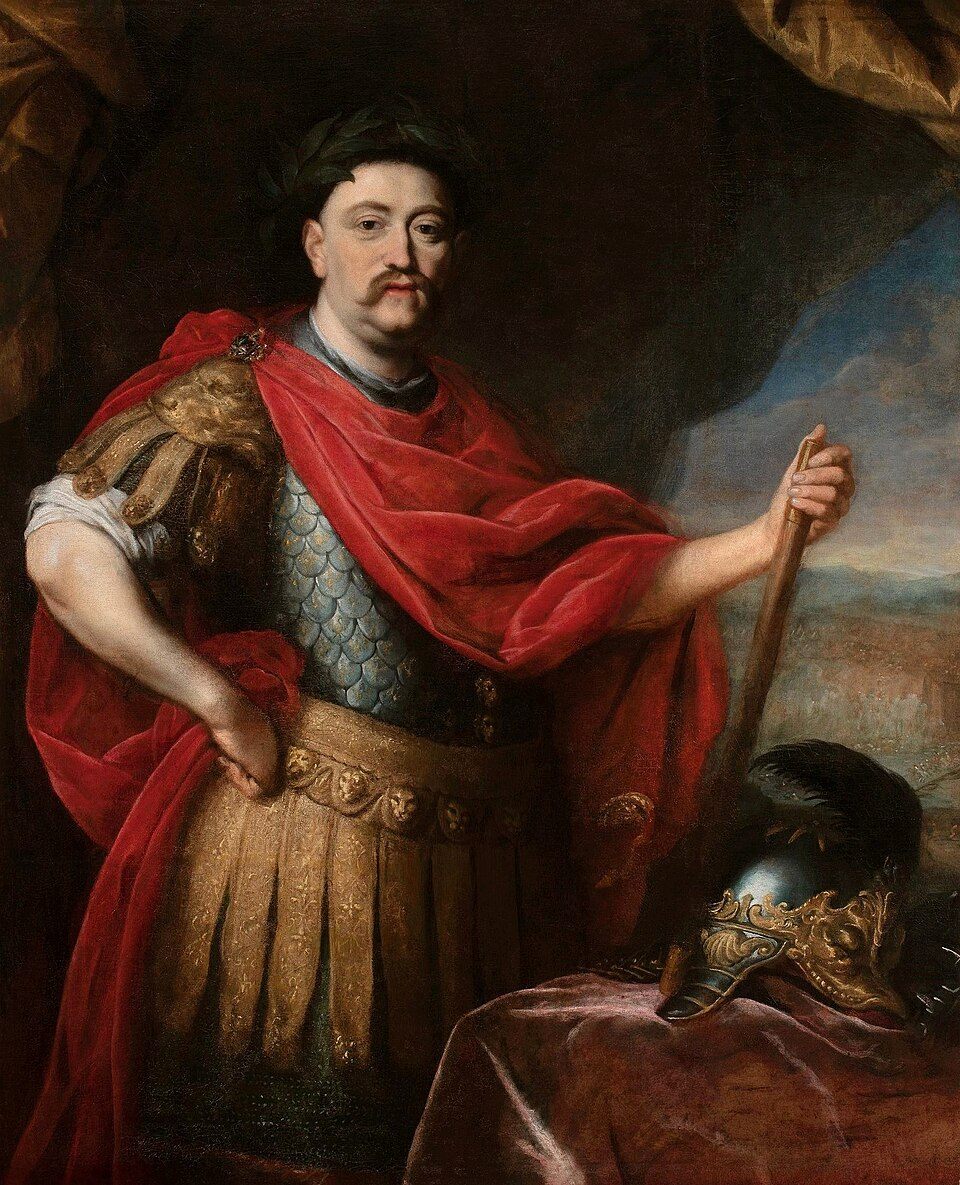
John III Sobieski
Savior of Vienna
Polish king who led the winged hussars down the Kahlenberg in 1683 and broke the siege of Vienna—the battle that turned the Ottoman advance in central Europe.
Life at a glance
Key contributions
- Led the relief that saved Vienna
- Commanded the famous hussar charge from Kahlenberg
- Credited victory to God in the Roman formula of conquest
- Halted the Ottoman high-water mark in central Europe
- Became Poland’s type of the king who fights for Christendom
Notable works, inventions and offices
Relief of Vienna, 1683
TransformedBreaking of the Ottoman siege. Today: Turning point of Ottoman advance in Europe.
Life and career
Sobieski, already a hetman famous against Ottoman and Tatar raids, brought a relief army to a starving Vienna. On 12 September 1683 he charged from the hills. The siege broke. He wrote to his wife, ‘God and our Lord forever blessed gave a victory.’
Pope and Protestant alike treated it as a deliverance of Christendom’s gate. Poland paid for Europe’s breathing space.
He is the last of the great winged-hussar kings in the story of faith and frontier.
Legacy and impact
The charge that kept a capital free.
- Alliances still form too late; Sobieski formed in time.
Principles and words
View of humanity
Free peoples still owe each other a relief army.
How we should operate
March farther than is convenient. Charge when the hour is one.
- Ride when the gate is failing
- Credit God, not only the lance
- Alliance of the unlike against the siege
- A commonwealth can save a continent
“Venimus, vidimus, Deus vicit.”
Sources
Every statement on this page traces to Wikipedia, Wikidata, Wikiquote, or the curated Humanity’s Atlas record. Nothing is invented. Same standard for everyone: contributions first, neutral language.