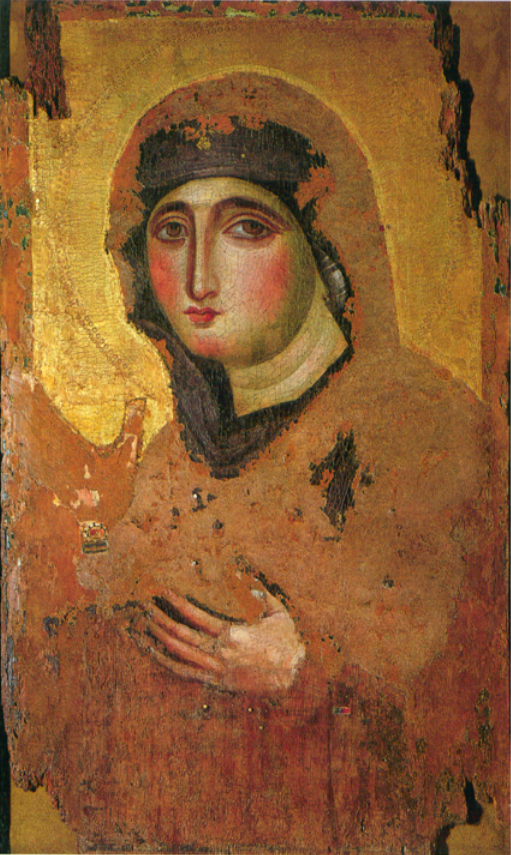
Mary of Nazareth
Mother of Jesus
The most widely honored woman in history—the mother of Jesus, called blessed among women, whose consent, courage, and grief became a pattern of faith for billions.
Life at a glance
Key contributions
- Became the mother of Jesus in Christian faith
- Spoke the Magnificat, a charter of the humble exalted
- Is venerated across Christianity and honored in Islam
- Modeled courage at the cross
- Shaped art, charity, and devotion more than any other woman in history
Notable works, inventions and offices
The Magnificat
Still standsCanticle of humility and reversal. Today: Prayed daily across churches; Maryam honored in Islam.
Life and career
In the Gospels, Mary consents to a calling that could have destroyed her reputation: ‘Let it be to me according to your word.’ She bears Jesus, flees Herod, ponders events in her heart, and stands at the cross when most have fled.
Christian tradition names her Theotokos—God-bearer. Islam honors her as Maryam, the only woman named in the Qur’an, a sign of purity and steadfastness. Catholic, Orthodox, and many Protestant lives of prayer still pass through her name.
She is not a general or a lawgiver. She is the human yes that, in the story of salvation, made the rest of the story possible.
Legacy and impact
Motherhood, consent, and steadfast love as world-historical power.
- Cultures still argue what honor is owed to mothers, refugees, and the quietly faithful.
Principles and words
View of humanity
The highest human office can be faithfulness in a hidden life.
How we should operate
Say yes when the good is hard. Keep vigil with those who suffer.
- Consent to a costly good
- Ponder before you speak
- Stay at the foot of the suffering
- Greatness can look like a mother’s courage
“My soul magnifies the Lord, and my spirit rejoices in God my Savior.”
Sources
Every statement on this page traces to Wikipedia, Wikidata, Wikiquote, or the curated Humanity’s Atlas record. Nothing is invented. Same standard for everyone: contributions first, neutral language.