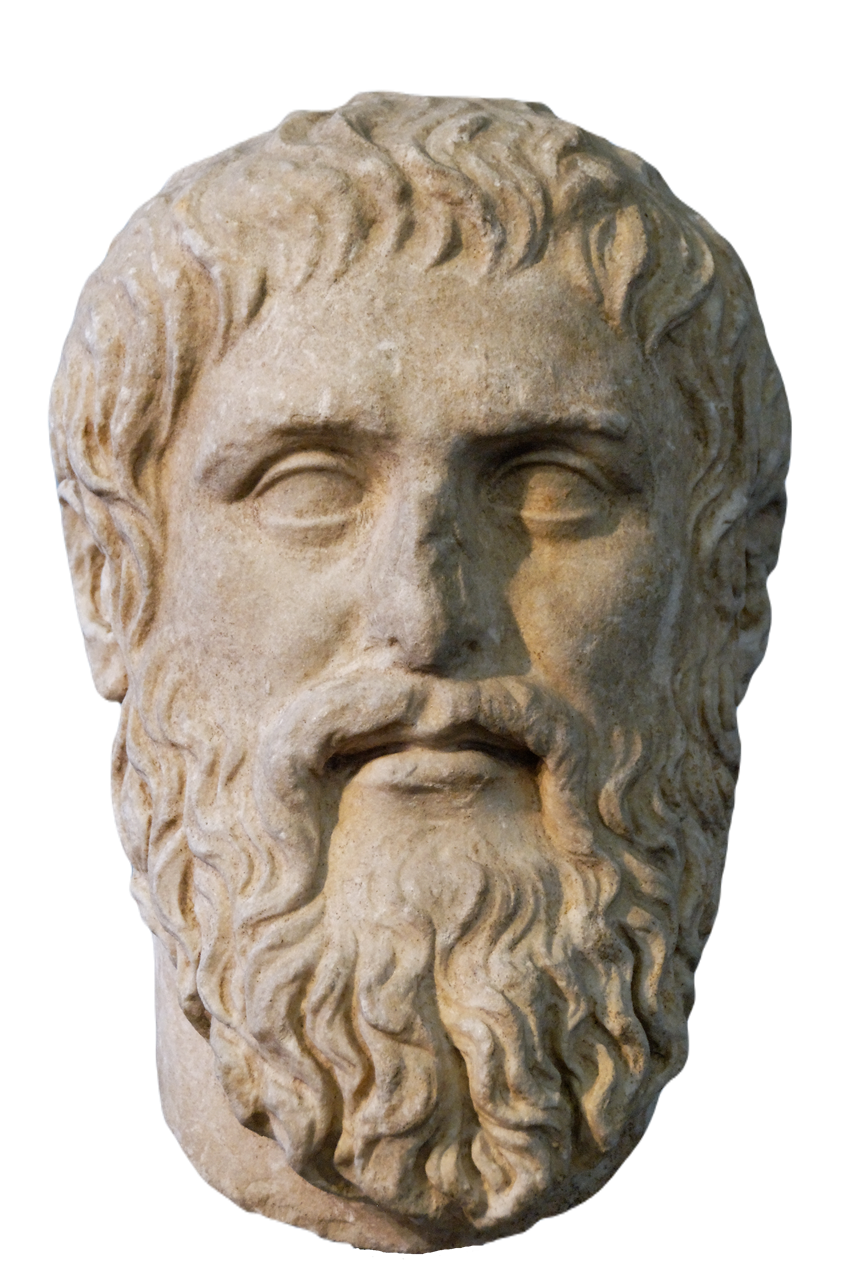
Plato
Architect of Western Philosophy
Student of Socrates and teacher of Aristotle who founded the Academy and wrote dialogues that set the agenda for metaphysics, politics, education, and justice in the West.
Life at a glance
Key contributions
- Founded the Academy, a prototype of Western higher education
- Wrote dialogues that defined the agenda of Western philosophy
- Developed the theory of Forms and the allegory of the Cave
- Preserved and transformed the Socratic inheritance
- Shaped political thought on justice, education, and the ideal city
Notable works, inventions and offices
The Academy
Destroyed / lostPhilosophical school in Athens. Today: Ancestor of the university ideal.
Dialogues (Republic et al.)
Still standsFoundational philosophical texts. Today: Taught worldwide.
Life and career
Plato (c. 427–347 BCE), student of Socrates and teacher of Aristotle, founded the Academy in Athens—often called the first enduring institution of higher learning in the West. His dialogues explore justice, knowledge, love, politics, and the soul.
In the Republic he sketches a city ordered by wisdom and a theory of Forms that made reality more than appearance. Allegories like the Cave still name the human tendency to mistake shadows for truth.
Plato preserved Socrates’s voice while building a metaphysical and political system that later shaped Christianity, Islam, and secular philosophy alike. Education, for him, was turning the soul around.
Every debate about ideal justice, philosopher-rulers, or the nature of knowledge still walks through his door.
Legacy and impact
Philosophy as institutional and political project.
- Debates on elite education and justice still run through Plato.
Principles and words
View of humanity
Humans live among shadows of opinion until education turns them toward what is truly good and real.
How we should operate
Design education that trains desire as well as intellect. Ask what justice is before asking who rules.
- Justice as harmony of soul and city
- Education as formation of character
- Truth beyond mere opinion
- Philosopher’s duty to the common good
“The direction in which education starts a man will determine his future life.”
Sources
Every statement on this page traces to Wikipedia, Wikidata, Wikiquote, or the curated Humanity’s Atlas record. Nothing is invented. Same standard for everyone: contributions first, neutral language.