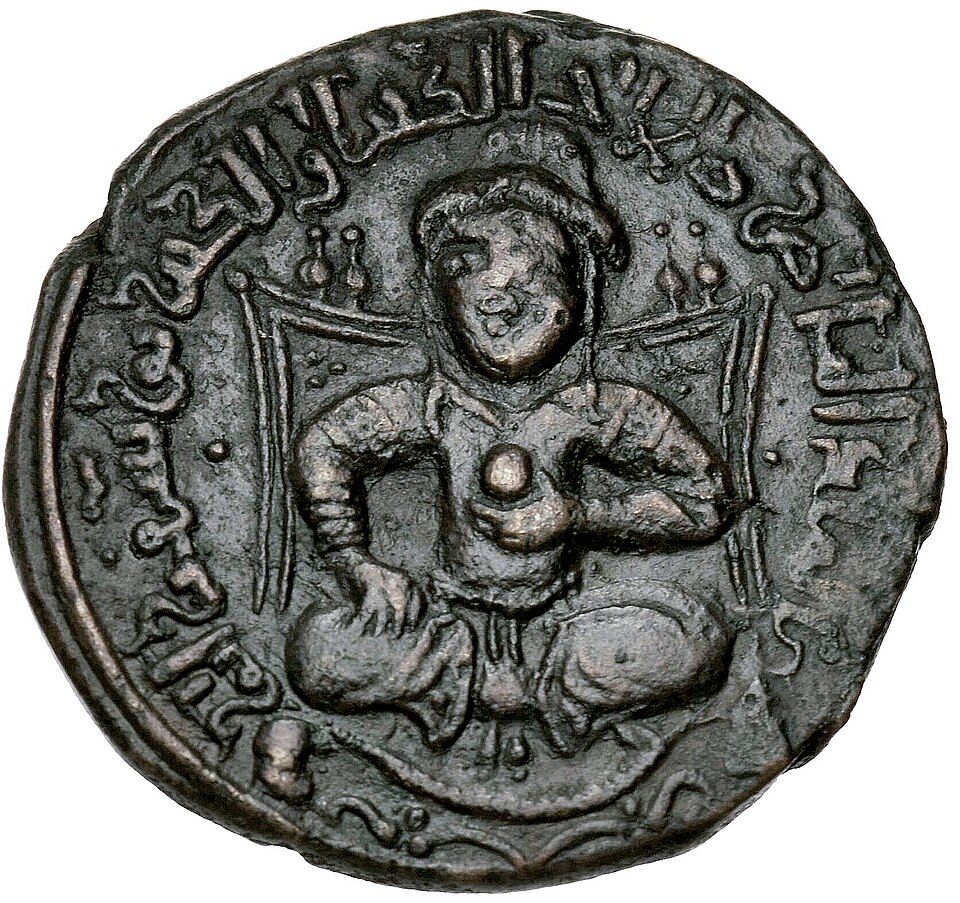
Saladin (Ṣalāḥ ad-Dīn)
Chivalrous recapture of Jerusalem
The sultan who retook Jerusalem in 1187 and became, even in enemy chronicles, the model of a holy warrior who kept his word and spared what others would have sacked.
Life at a glance
Key contributions
- Unified Egypt and Syria against the Crusades
- Won at Hattin and recovered Jerusalem
- Spared the city a 1099-style slaughter
- Became a chivalric ideal in Christian as well as Muslim memory
- Died having given treasure to the struggle, not a private hoard
Notable works, inventions and offices
Ayyubid unification & recovery of Jerusalem
TransformedMuslim reconquest with notable clemency. Today: A shared chivalric legend in East and West.
Life and career
Yusuf ibn Ayyub unified Egypt and Syria, then crushed the Crusader field army at Hattin and entered Jerusalem. Unlike 1099, the city was not drowned in a general massacre of civilians; ransoms and orderly departure shamed the earlier crusade.
Richard the Lionheart found him a worthy opposite. Muslim memory holds him as defender of al-Quds; Western knighthood stole his courtesy as an ideal.
He died with little personal treasure. The jihad, in his best portrait, was discipline plus mercy.
Legacy and impact
The enemy even your enemy could respect.
- Occupation and holy language still fail Saladin’s clemency test.
Principles and words
View of humanity
A warrior of God is measured by what he does when the gates open.
How we should operate
Win, then be stricter with yourself than with the defeated.
- Keep faith with the surrendered
- Unify before you strike
- Holy war is not a license to butcher
- Live spare, fight hard
“I have become so great as I am because I have won men’s hearts by gentleness.”
Sources
Every statement on this page traces to Wikipedia, Wikidata, Wikiquote, or the curated Humanity’s Atlas record. Nothing is invented. Same standard for everyone: contributions first, neutral language.