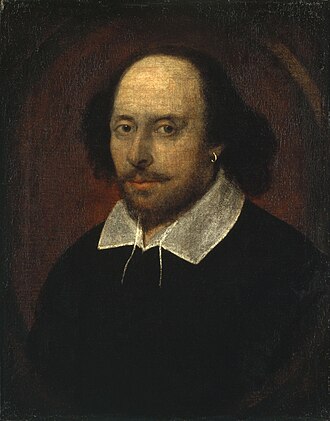
William Shakespeare
Poet of the Human Interior
Dramatist and poet whose plays mapped ambition, love, power, and conscience with unmatched depth—becoming a second language of human self-understanding worldwide.
Life at a glance
Key contributions
- Wrote a dramatic canon that defines English-language literature
- Created characters and phrases that entered global cultural memory
- Elevated popular theater to profound psychological and political art
- Expanded the expressive power of the English language
- Built a body of work continuously performed and reinterpreted worldwide
Notable works, inventions and offices
Collected plays & sonnets
Still standsDramatic and poetic corpus. Today: Stages, schools, film worldwide.
Life and career
William Shakespeare (1564–1616) of Stratford-upon-Avon became the leading dramatist of the London stage, writing comedies, histories, and tragedies that mapped ambition, love, jealousy, power, and mercy with unmatched linguistic energy.
Hamlet, Lear, Macbeth, Othello, the sonnets, and the rest created characters who feel more real than many historical persons. He expanded English expressive range and made theater a place of national self-reflection.
Working within a commercial playhouse system, he proved popular art could carry philosophical depth. Four centuries of performance have only multiplied his meanings.
His accomplishment is a portable human encyclopedia in dramatic form—still the world’s most staged playwright.
Legacy and impact
The modern imagination of the self.
- Leadership and ethics training still use Shakespeare as case law of the soul.
Principles and words
View of humanity
Humans contain multitudes—noble, comic, and catastrophic—often in one life.
How we should operate
Use stories to teach moral complexity without propaganda.
- Character revealed under pressure
- Power’s corruption made visible
- Empathy across social ranks
- Language as world-making
“This above all: to thine own self be true.”
Sources
Every statement on this page traces to Wikipedia, Wikidata, Wikiquote, or the curated Humanity’s Atlas record. Nothing is invented. Same standard for everyone: contributions first, neutral language.