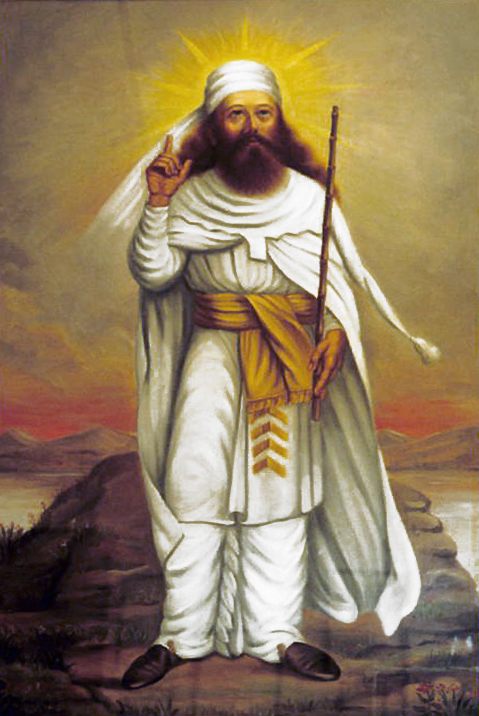
Zoroaster (Zarathustra)
Prophet of light and truth
Founder of Zoroastrianism—the religion of Ahura Mazda, truth against the lie, that shaped later Jewish, Christian, and Islamic ideas of heaven, hell, and moral choice.
Life at a glance
Key contributions
- Founded one of the world’s oldest ethical monotheisms
- Taught a cosmic war of truth and lie
- Influenced later Jewish and Christian apocalyptic imagery
- Tied holiness to care for animals and elements
- Left a living community of practice
Notable works, inventions and offices
Gathas / Zoroastrian tradition
Still standsHymns and a living faith of asha. Today: Parsi and Iranian communities; influence on later monotheisms.
Life and career
Zarathustra, dates long debated, preached against daeva-cult and cattle-raiding chaos. The Gathas call humans to asha—truth, right order—against druj, the lie. Fire becomes the sign of pure mind, not a god to be fed with blood.
Persian imperial religion carried these ideas across the Near East. Many scholars see footprints in later apocalyptic faith: a last judgment, a savior figure, angels and demons as a moral war.
He is one of the oldest named prophets whose community still prays.
Legacy and impact
Ethical monotheism’s older cousin.
- Truth versus disinformation is asha versus druj in new clothes.
Principles and words
View of humanity
Humans are combatants in a moral cosmos; neutrality is a vote for the lie.
How we should operate
Keep the fire of the mind clean. Protect cattle, water, and the stranger.
- Good thoughts, good words, good deeds
- Truth against the lie
- Care for the living world
- Choose in every act
“Good thoughts, good words, good deeds.”
Sources
Every statement on this page traces to Wikipedia, Wikidata, Wikiquote, or the curated Humanity’s Atlas record. Nothing is invented. Same standard for everyone: contributions first, neutral language.