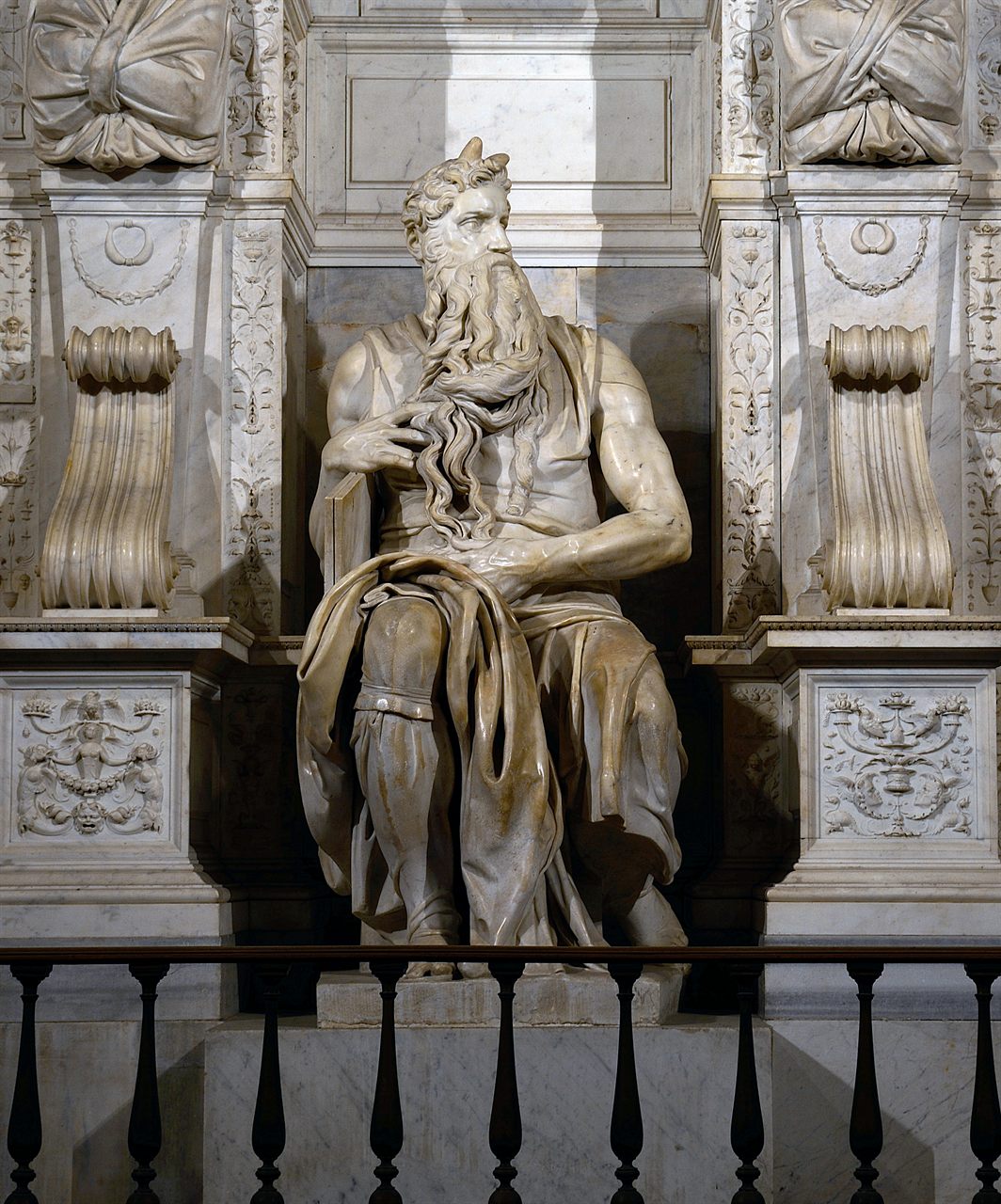
Moses
Lawgiver of the Exodus
Central figure of the Exodus tradition who leads an enslaved people into covenant freedom and receives a moral-legal code that shaped Judaism, Christianity, and Islam.
Life at a glance
Key contributions
- Led the Exodus narrative of liberation from bondage
- Mediated the Sinai covenant and Ten Commandments tradition
- Founded Israel’s identity as a people under law, not only kinship
- Modeled prophetic leadership that confronts both empire and the people
- Gave later freedom movements their deepest archetypal story
Notable works, inventions and offices
Sinai covenant tradition / Torah law core
Living ideaFoundational narrative and legal-moral code for Abrahamic civilizations. Today: Scripture, liturgy, ethics, and civil-rights rhetoric worldwide.
Life and career
Moses, central figure of the Torah/Hebrew Bible, is portrayed as liberator, lawgiver, and prophet. Tradition places him leading the Israelites out of Egyptian bondage through the Exodus—a story of emancipation that has inspired freedom movements for millennia.
At Sinai he receives the covenant and commandments that bind a people not only by blood but by law and story. The wilderness wandering becomes a school of dependence, justice, and identity formation.
As leader he mediates between divine demand and a resistant community, models intercession, and dies within sight of the promised land without entering it—an image of leadership that serves a future it will not possess.
Historically debated in details, Moses’s cultural accomplishment is unmatched: a portable law-and-liberation narrative that still structures ethics, politics, and hope.
Legacy and impact
Freedom and law joined as one story.
- Modern emancipation movements still borrow Exodus language.
Principles and words
View of humanity
Humans are not rightly property. A people becomes free when it accepts law that protects the vulnerable and limits idolatry of power.
How we should operate
Tell the liberation story to children. Bind politics to commandments that outrank the strong.
- Liberation from bondage as sacred duty
- Covenant law binding rulers and ruled
- Memory of oppression as ethical restraint
- One God, one moral horizon for a people
“Let my people go.”
Sources
Every statement on this page traces to Wikipedia, Wikidata, Wikiquote, or the curated Humanity’s Atlas record. Nothing is invented. Same standard for everyone: contributions first, neutral language.