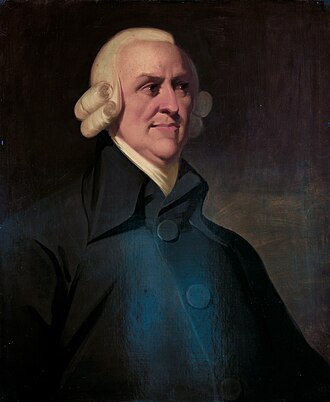
Adam Smith
Architect of Modern Economics
Moral philosopher who analyzed markets, specialization, and the wealth of nations
Life at a glance
Key contributions
- Founded modern economics with The Wealth of Nations
- Analyzed division of labor as an engine of productivity
- Integrated moral philosophy with market analysis
- Critiqued mercantilism and monopoly privilege
- Shaped global debates on trade, growth, and economic policy
Notable works, inventions and offices
The Wealth of Nations
Still standsFoundational political economy text. Today: Economics curricula; policy discourse.
Life and career
Adam Smith (1723–1790), Scottish moral philosopher, wrote The Theory of Moral Sentiments and The Wealth of Nations. He analyzed markets, division of labor, and the wealth of nations while insisting that sympathy and justice are part of human nature—not only self-interest.
The ‘invisible hand’ metaphor captured how private aims can yield public coordination under the right rules—often misread as pure greed worship. He criticized monopoly, mercantilism, and the moral risks of commercial society.
Smith became the founding figure of modern economics and a touchstone for debates on free trade, regulation, and inequality. Read whole, he is as much ethicist as market theorist.
His accomplishment is a science of prosperity that still must answer his moral questions.
Legacy and impact
Made the economy a moral and scientific object of study.
- Globalization and inequality debates still revolve around Smithian tools.
Principles and words
View of humanity
Humans exchange, specialize, and need moral sentiments—not only prices—to live together.
How we should operate
Design markets with competition and justice; do not romanticize either the state or the firm.
- Division of labor raises productivity
- Sympathy as moral glue
- Markets coordinate without omniscient planners
- Vigilance against collusion of merchants and masters
“It is not from the benevolence of the butcher, the brewer, or the baker that we expect our dinner…”
Sources
Every statement on this page traces to Wikipedia, Wikidata, Wikiquote, or the curated Humanity’s Atlas record. Nothing is invented. Same standard for everyone: contributions first, neutral language.