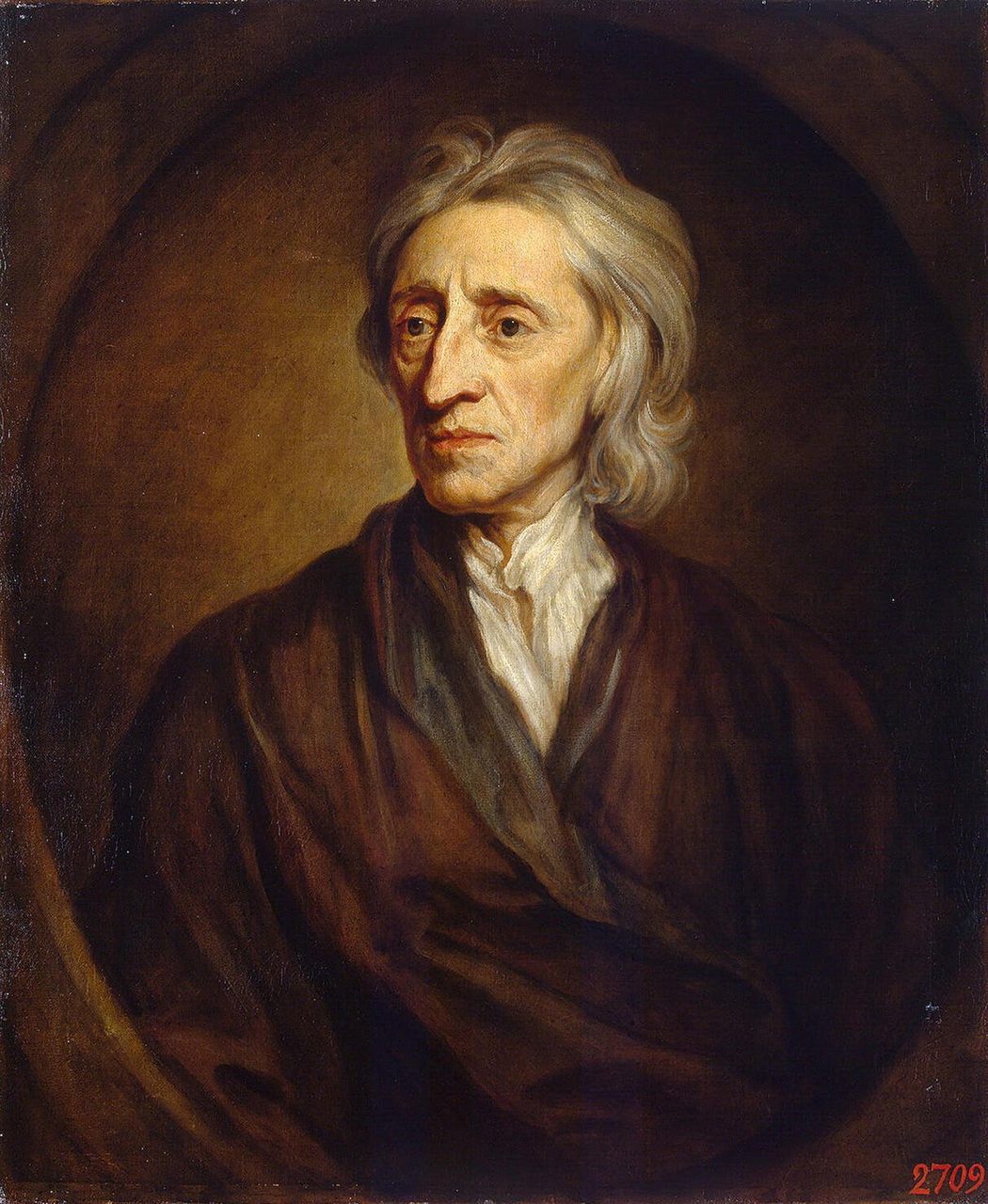
John Locke
Philosopher of Natural Rights
Political philosopher whose theories of natural rights, consent, and limited government became software for modern constitutional democracies—including the American founding.
Life at a glance
Key contributions
- Articulated natural rights and government by consent
- Authored foundational texts of political liberalism
- Developed empiricist theory of knowledge and education
- Advanced arguments for religious toleration in civil society
- Directly influenced modern constitutional democracies
Notable works, inventions and offices
Two Treatises of Government
Still standsFoundational liberal political theory. Today: Constitutions and rights charters.
Life and career
John Locke (1632–1704) was an English physician-philosopher whose Two Treatises of Government and Essay Concerning Human Understanding shaped liberalism, empiricism, and educational thought. He argued that legitimate government rests on consent and that natural rights to life, liberty, and property constrain rulers.
His theory of mind as a blank slate filled by experience challenged innate ideas and influenced psychology and pedagogy. Religious toleration—imperfect by modern standards—was advanced as civil peace.
Locke’s ideas traveled into the American and French revolutionary languages of rights and limited government. Property and consent remain contested; his framework still structures the argument.
He made philosophy operational for constitutions.
Legacy and impact
The philosophical grammar of liberal democracy.
- Debates on rights, property, and emergency powers remain Lockean.
Principles and words
View of humanity
Humans are free and equal by nature; political power is a fiduciary duty, not divine ownership of persons.
How we should operate
Write constitutions that limit rulers. Educate citizens who can withdraw consent peacefully when possible.
- Natural rights to life, liberty, property
- Government by consent
- Right of resistance to tyranny
- Mind as shaped by experience
“Wherever law ends, tyranny begins.”
Sources
Every statement on this page traces to Wikipedia, Wikidata, Wikiquote, or the curated Humanity’s Atlas record. Nothing is invented. Same standard for everyone: contributions first, neutral language.