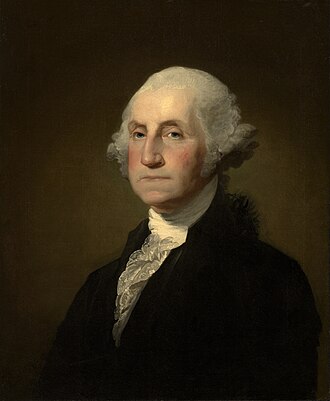
George Washington
Founding President Who Relinquished Power
Commander of the Continental Army and first U.S. president who set the precedent of peaceful transfer and limited tenure—making republican power transferable rather than monarchical.
Life at a glance
Key contributions
- Led the Continental Army to victory in the American Revolution
- Presided over the Constitutional Convention’s authority and spirit
- Served as first President and set enduring executive precedents
- Voluntarily relinquished power, modeling democratic restraint
- Symbolized national unity across regional factions at founding
Notable works, inventions and offices
Two-term presidential precedent
TransformedCustom later constitutionalized (22nd Amendment). Today: Global symbol of voluntary exit from power.
Life and career
George Washington (1732–1799) commanded the Continental Army through the American Revolution, holding a fragile coalition together across years of defeat and scarcity until French alliance and Yorktown secured independence.
As first U.S. president he set precedents: civilian control, cabinet government, two-term restraint, and a Farewell Address warning against factions and entangling permanent alliances. He refused kingship when some wanted it.
A slaveholder who freed his slaves in his will, he embodies both the founding’s achievement and its contradictions. Leadership by character and exit from power were his rarest gifts.
His accomplishment is republican self-limitation at the birth of a superpower.
Legacy and impact
The general who would not be king.
- Strongman politics makes Washington’s exit permanently radical.
Principles and words
View of humanity
Republics survive when leaders prefer the nation’s duration to personal permanence.
How we should operate
Build norms of succession stronger than ambition. Honor service that ends.
- Power must be laid down
- Civilian control of the military
- National union over faction
- Character as public infrastructure
“The basis of our political systems is the right of the people to make and to alter their constitutions of government.”
Sources
Every statement on this page traces to Wikipedia, Wikidata, Wikiquote, or the curated Humanity’s Atlas record. Nothing is invented. Same standard for everyone: contributions first, neutral language.